Police and Ambulance Vehicle Decontamination
Emergency vehicle decontamination covers transport units, police cars and ambulances.
See police and ambulance vehicle decontaminationGet blood, bodily fluids, waste and odor removed from a car, truck, RV or boat in Paulina. Vehicle biohazard remediation reaches hidden contamination in seats, carpet, trim and the air system.
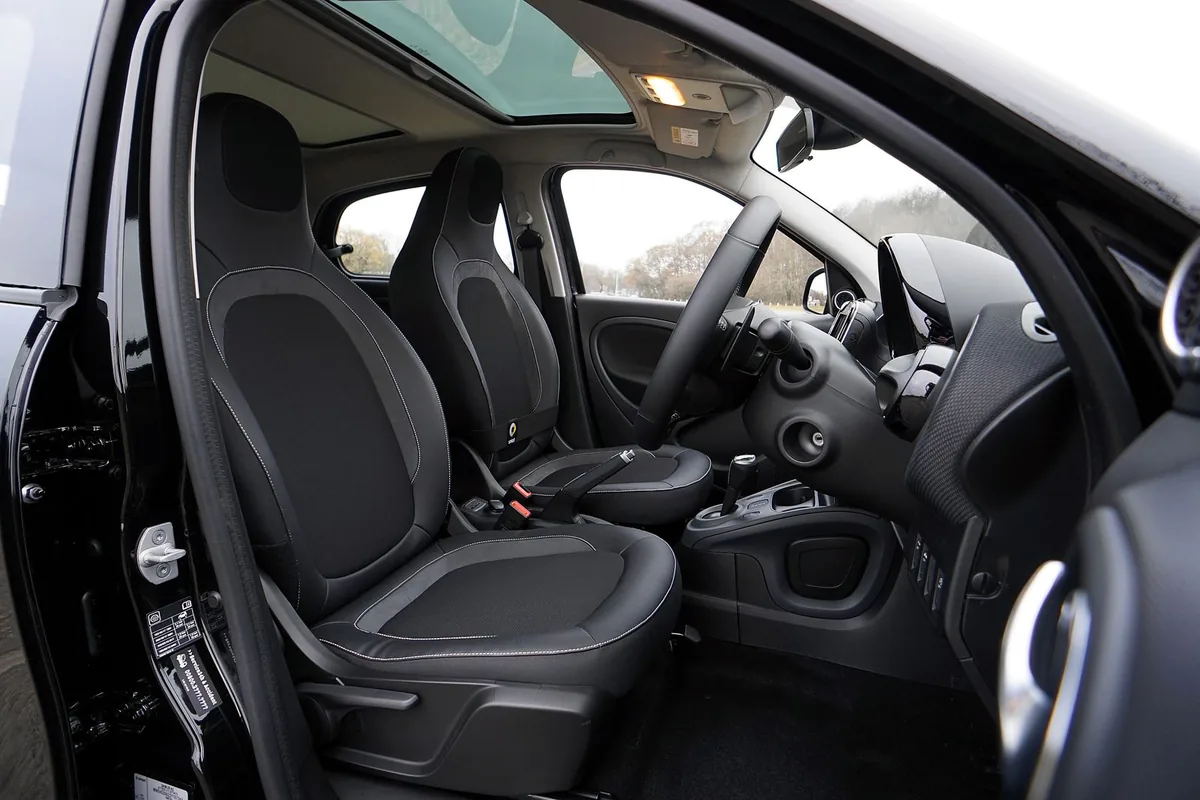
Careful removal of blood, waste from people or animals, body fluids and other contamination from a car, RV, truck, fleet vehicle or boat is vehicle biohazard cleanup. After removal, the affected area is cleaned, disinfected and treated for odor.
A vehicle interior has many hidden pathways. Liquid can pass through a seat cover into foam, run beneath carpet, collect along trim clips and reach wiring channels. Airflow can also carry odor into the cabin filter and vents. Ordinary detailing focuses on appearance, while vehicle biohazard remediation follows the contamination into the affected area and surrounding areas.
Cleanup starts with a controlled inspection and suitable protective gear. Materials that cannot be completely disinfected are removed, surfaces receive detailed cleaning, and hazardous waste is disposed of. An EPA-registered disinfectant remains wet for all of the contact time listed on its label. You then have a clear distinction between interior pieces that may remain and those requiring removal.
Photographs, work details and removed-material records can be arranged for the property owner, fleet manager or your insurance company.
Calls are answered day and night, and crews arrive in unmarked vehicles. You are free to describe what occurred in private and consider the next action without being pressured.
Documents, tools and belongings are sorted with your input. Being present in the car does not automatically make an item waste.
Ask how your vehicle will be inspected before selecting a cleanup company. Ask for inspection results, what can stay, what must come out and the factors affecting cost before choosing how to move forward.
If affected material extends beyond one small, safely wipeable mark on a hard surface, a vehicle may need biohazard cleaning. Circumstances vary, but these common examples call for keeping the doors closed and arranging an inspection:
Taxis, rideshare cars, work trucks and emergency response vehicles may need a documented cleaning process before the affected vehicle returns to service.
Once law enforcement releases a crime-related or trauma-related vehicle, leave the contamination to a cleaning service so neither you nor your loved ones have to face the affected area.
An injury, medical event or accident can leave fluid on a seat, door panel, console, carpet or cargo area. Padding underneath may be affected even when little is visible.
Waste from illness, incontinence or prolonged occupancy, including urine, vomit and feces, can soak into seams or porous vehicle materials that ordinary cleaning misses.
Your first steps should limit contact and keep contamination from moving through the cabin. Take these precautions before cleanup technicians inspect the vehicle:
Call (888) 351-0904The published range for vehicle biohazard cleanup is $500 to $5,000. The final cost depends on the interior materials, how serious the event was, the time since it happened and whether the air system needs decontamination. An inspection is needed because contamination beneath a seat or carpet may not be visible from the door.
These national ranges are taken from published cost guides, rather than a property visit. An on-site assessment determines your property's price, which is explained to you before the cleanup starts.
Ask about cost: (888) 351-0904Vehicle biohazard cleanup may be covered by auto insurance when your policy covers what caused the contamination. Requirements for records, policy coverage and deductible amounts vary. When possible, speak with the insurance company prior to authorizing cleanup.
Describe the event to your adjuster while leaving the vehicle untouched. Ask the insurer whether your policy covers cleaning, towing, restoration and removal of affected interior components.
Save your claim identifier, pictures, work scope, waste paperwork and list of removed items. Ask the adjuster before discarding damaged parts that may need inspection.
Claim initiation and permission to access the car usually come from its owner or fleet manager. Commercial policies may have different limits, exclusions and record requirements.
Victims of violent crime can ask the Louisiana Crime Victims Reparations Board, supported by the Louisiana Commission on Law Enforcement, about crime scene cleanup. The program lists it among eligible expenses. Insurance is usually checked first.
To avoid spreading contamination from one cabin section into another, vehicle biohazard remediation proceeds in a controlled order from start to finish. What happened, the time after exposure and the vehicle's interior materials shape each step.
Cleanup technicians inspect the cabin, cargo space, trunk, seat seams, flooring and visible air intakes. Photos record the starting condition and help define the work.
The vehicle and work zone are kept separate from public access. The exposure determines the gloves, clothing, eye shields and other protective gear used during cleanup.
Belongings are separated into items that appear unaffected, items that may be cleaned and contaminated materials that require your decision or disposal.
Interior trim, headliner, padding, carpeting, foam or seat coverings are taken out only when contamination has penetrated materials that cannot be completely disinfected.
Before disinfection with an EPA-registered product, workers clean each affected hard surface. The surface stays wet for the contact time stated on the product label.
The air intake, vents and cabin filter are checked when odor or contamination may have entered the climate system. The primary task is still source removal.
Materials taken from the vehicle are packaged and discarded according to the applicable waste requirements. Documentation may be useful for fleet records or an insurance claim.
A final visual inspection covers affected areas and surrounding areas, helping find contaminated material that might otherwise be left behind. You are informed about all completed cleaning and removal, along with restoration services that may still be necessary.
You can call anytime. You speak with a vehicle biohazard cleanup specialist who outlines the process and schedules a start time with you.
Serious health risks can come from blood, waste, bodily fluids or concealed sharp items in a vehicle's compact, enclosed interior.
Restricted airflow and heat can make odor more intense. Running the climate system before the source is removed may move odor into vents and the cabin filter.
Gravity draws liquid into seams. Dry-looking surfaces can hide fluid that reached seat cushioning, carpet underlay, fasteners and floor channels.
Needles may be concealed under seating, within compartments or among personal property. An exposure can occur when someone searches inside the car without puncture-resistant tools.
Can you clean it yourself? A few fresh drops on a hard, non-porous surface may be cleaned with gloves and an EPA-registered disinfectant used for its full label contact time. Keep away and seek professional cleanup when fluid reaches a vent, headliner, seam, carpet, foam or fabric, or when a sharp object is in the area.
An inspection determines how long vehicle biohazard cleaning will take. Work limited to a hard surface is quicker than a cleanup involving removal of seats or carpet, inspection of vents, multiple treatments or parts that must be replaced.
| Scene | Typical time on site |
|---|---|
| Limited hard-surface contamination | Schedule determined once the affected area has been examined |
| Contamination involving seating, carpeting or cargo space | Interior material removal extends the cleanup schedule |
| Widespread contamination or air-system work | Duration changes according to access, required restoration and material drying |
The source of contamination must be located and removed before vehicle odor can be addressed. Surface shampoo, added fragrance or an air freshener might disguise the smell for a while, yet none can clean fluid from a cabin filter, insulation, carpet padding or foam under a seat cover.
Cleaning and disinfection of surfaces that can be reached follow source removal. The cabin filter, ventilation openings and air intake may need inspection if odor entered the climate controls. Although an air treatment may aid cleanup, porous material that is affected must still be removed. Keep the fan shut off while the source and travel path are being evaluated.
The OSHA Bloodborne Pathogens Standard, 29 CFR 1910.1030, requires workplace training, protective equipment and exposure-control measures where employees could contact blood.
Choose a product that is compatible with the surface and EPA-registered for the target pathogen. The disinfectant needs to stay wet throughout the label's stated contact period.
Louisiana treats soaked materials from a biohazard scene as potentially infectious biomedical waste. Louisiana Department of Health sanitary code rules control how it is packaged, stored and transported, so it cannot go in household trash.
Louisiana has no statewide medical examiner. Each parish has an elected coroner who investigates deaths involving violence, accidents or suspicious circumstances. Cleanup starts after police or the coroner release the scene.
The full vehicle biohazard cleanup guide covers what is cleaned or removed, odor and air quality work, and the rules that apply in St. James Parish and Louisiana.
Read the full vehicle biohazard cleanup guide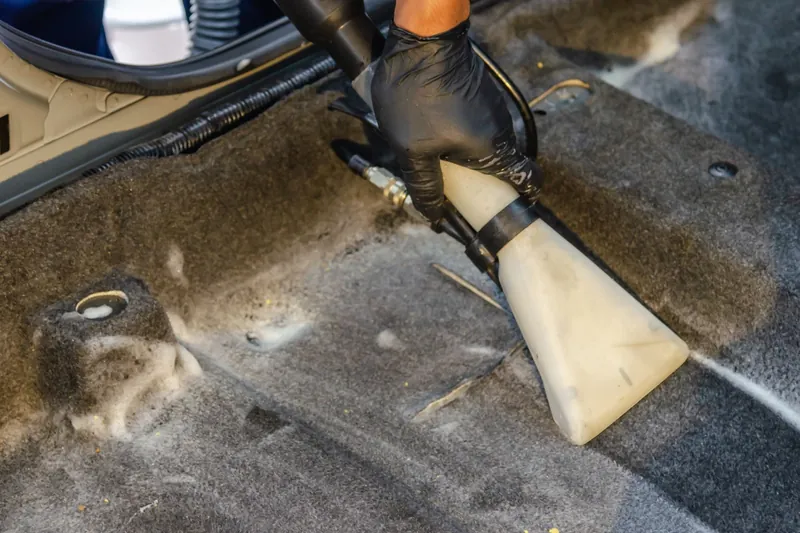
Local population patterns, housing and site access may affect how containment and cleanup are planned.
Because renter occupancy is 1.3%, cleanup discussions often can focus on the household without a separate property manager involved.
Because the median home dates to 2008, concealed moisture behind drywall or under flooring still deserves careful checking.
There are 107 seniors living alone locally, so cleanup communication should be calm, clear, and accessible to distant family members.
Single-family homes make up 79.7% of housing in Paulina, so cleanup often centers on one household and its private living areas.
Ask on the call about cleanup options for neighboring communities and ZIP codes.
Emergency vehicle decontamination covers transport units, police cars and ambulances.
See police and ambulance vehicle decontamination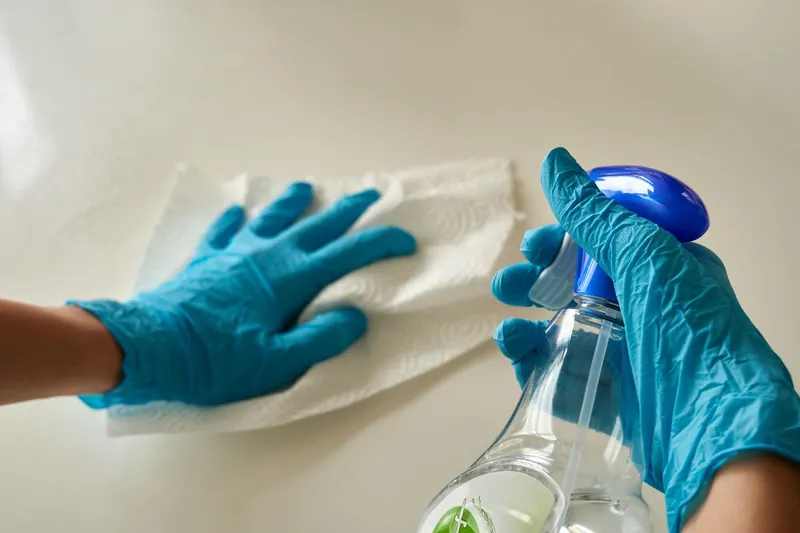
Blood cleanup clears blood from furniture, walls, hard floors and carpet, followed by safe disposal.
See blood cleanup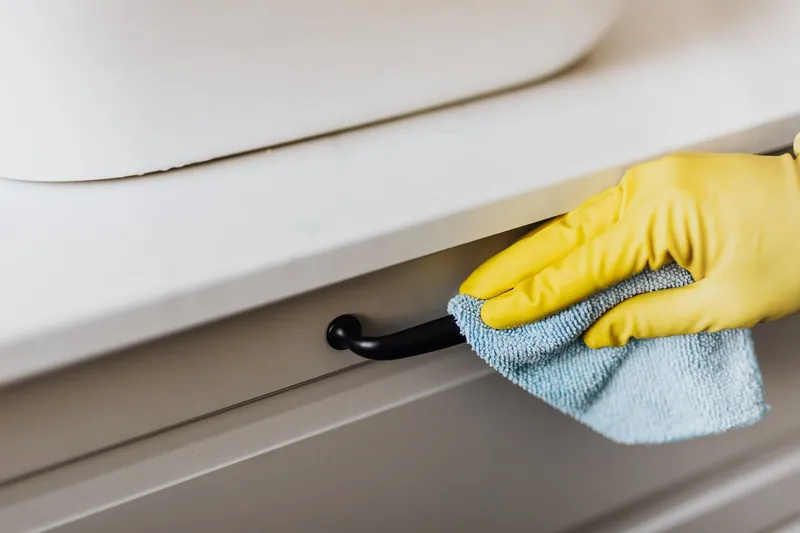
Bodily fluid cleanup removes fluids and disinfects affected areas in businesses, homes and care settings.
See bodily fluid cleanup
Cleanup treats biohazards on upholstery and carpeting, or removes affected materials safely when needed.
See biohazard carpet and upholstery cleaning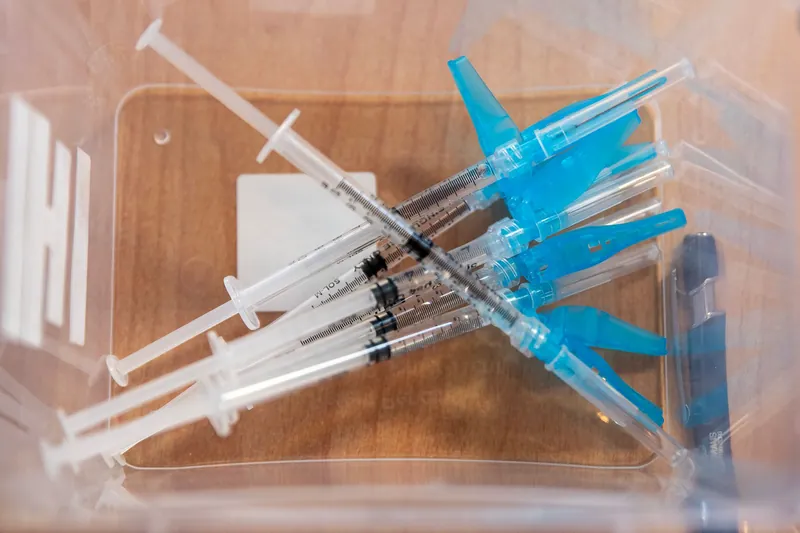
Needle and sharps cleanup for yards, rentals, parks and encampments.
See needle and sharps cleanup
Trauma scene cleanup addresses the aftermath of accidents, injuries and violent incidents.
See trauma scene cleanup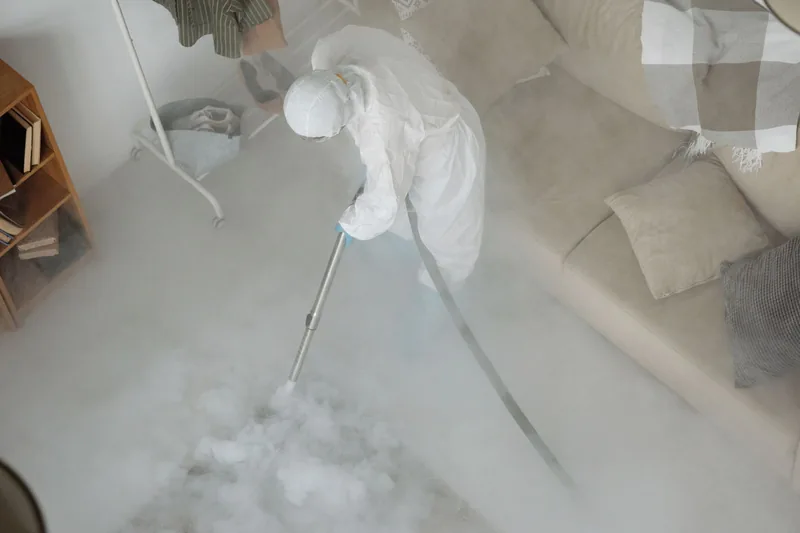
After exposure to infectious or hazardous material, the air, room and surfaces are fully decontaminated.
See biohazard decontamination
Biohazard waste pickup and disposal in sealed, labeled containers.
See biohazard waste disposalThe term applies to a boat, RV, fleet unit, truck or car affected by blood, bodily fluids, sharps, human waste, animal waste or another substance capable of carrying infection. The phrase concerns an exposure condition, not one particular kind or brand of vehicle. Inspecting the vehicle shows what surfaces are cleanable and what absorbent components might require removal.
Vehicle property is sorted before cleanup. Belongings beyond the affected area can be separated, and washable non-porous objects may receive cleaning. Absorbent personal items that contacted liquid might not be saved. Avoid feeling beneath seating, inside compartments or among unsecured items whenever a hidden needle or sharp object is possible.
Auto insurance may cover cleanup when the cause is covered under your policy. Insurance does not always apply, and your policy may include exclusions or a deductible. Before work starts, when waiting does not create a safety concern, tell your insurance company about the event and ask about vehicle transport, interior restoration and needed documentation.
Keep the fan and air conditioner off until the source and air path are inspected. The fan may carry odor through vehicle vents or into the cabin filter. Stay out of the vehicle and open its door only if an urgent safety need calls for fresh air. Odor treatment should follow source removal, detailed cleaning and any needed filter or vent work.
The published vehicle biohazard cleanup range is $500 to $5,000, according to the BioCleaners Directory Biohazard Cleanup Cost Guide (2026). Interior materials, event severity, time since the event and air-system decontamination affect the final amount. Because looking in from the door can overlook material beneath carpeting or within seats, the vehicle needs an inspection.
A biohazard vehicle report generally means a record source received information that the vehicle had biohazard contamination. It does not tell you the exact event, cleanup quality or present condition. Before using or purchasing the vehicle, request incident information, cleaning documentation and a list of replaced parts from the owner or seller, then arrange an independent inspection.
You can request respectful, discreet vehicle biohazard cleanup 24 hours a day, and crews use unmarked vehicles.