COVID-19 and Virus Disinfection
Homes, workplaces and common areas receive virus disinfection following an outbreak.
See covid-19 and virus disinfectionGet infectious disease cleanup for a home, office, school, rental or shared space in Paulina. The process covers cleaning, EPA-registered disinfectants, label contact time and a final check of treated surfaces.
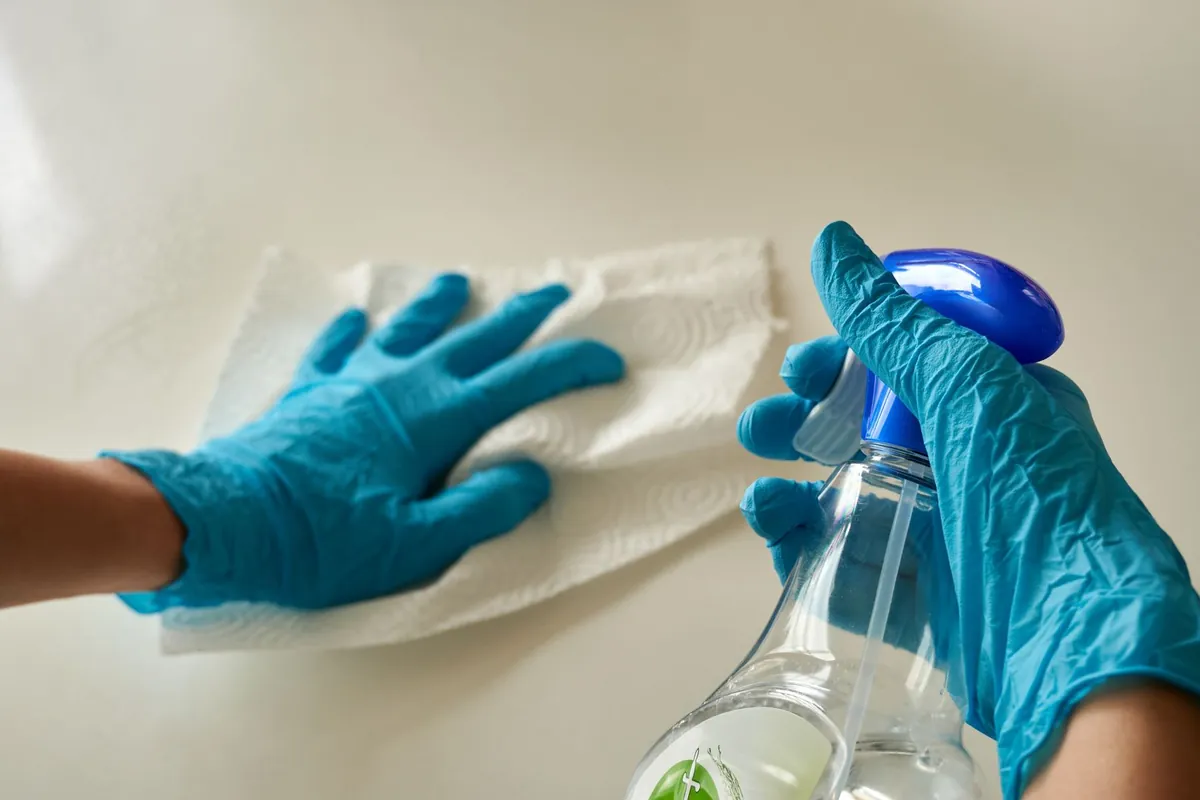
Infectious disease cleanup means cleaning and disinfecting a space where there may be a virus, bacterium or another germ that causes disease. The scope centers on areas of concern and surfaces or high-touch items that people could contact.
The use of the room, the possible contaminant and the compatibility of each material guide the cleaning plan. Any visible soil comes off before disinfection. An EPA-registered disinfectant is applied next, following all label directions. For the product to work as directed, treated surfaces need to remain wet during the entire contact time shown on that label.
A suitable setting may be a residence, school, workplace, restaurant, rental, healthcare facility or vehicle used by several people. The difference from ordinary cleaning is that a possible or confirmed infectious disease concern defines the work. If hazardous materials, blood or bodily fluids are involved, the job becomes biohazard remediation and could call for added protective gear, disposal of waste and removal of materials.
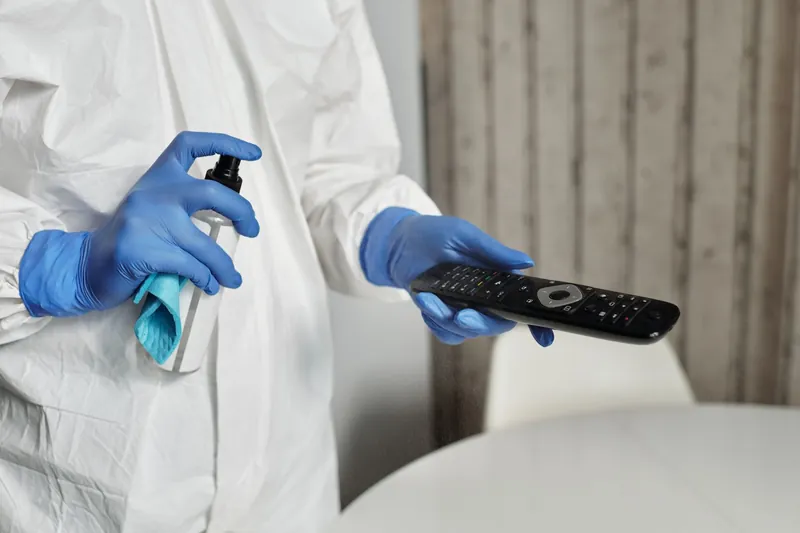
The explanation needs to address product selection, dilution, surface safety and contact time, while making clear that spraying quickly is not enough.
The scope should tell you what happens step by step, which spaces and items receive treatment and which areas do not.
Crews may keep activity within affected areas and use unmarked vehicles, helping you move forward discreetly.
A pre-work check can note sensitive property and let you discuss whether each item is cleaned, moved or left alone.
After a reported illness, possible exposure or contamination beyond the role of routine janitorial work, infectious disease cleaning may make sense. Situations commonly addressed include:
Visible residue is removed first, and suitable surfaces are then disinfected in the rooms the ill person used.
After an illness or exposure is reported, a home, workplace or shared facility receives focused cleaning and disinfection.
Customer spaces, staff areas, restrooms, break rooms and shared touchpoints receive cleanup services based on a set treatment plan.
A clear work scope covers rentals, schools, offices and other locations with rooms and fixtures used by several people.
First, reduce contact with the area and prepare accurate details for the cleanup technicians. Take these steps before the job starts:
Call (888) 351-0904Published cost guides list virus decontamination at $1,500 to $3,500 per job and infectious disease decontamination at $1,000 to $8,000 or $2,000 to $8,000 per job. Another biohazard cleanup cost guide lists infectious disease disinfection at $1,500 to $10,000 per job. Your price depends on the space, germ, surface count, air system work and whether testing is needed.
Published national cost guides are the source for these ranges, rather than an inspection of your property. After an on-site assessment, the price for your property is determined and shared with you before cleanup begins.
Ask about cost: (888) 351-0904Coverage is determined by the policy language, the reason contamination occurred and the kind of property involved. Do not count on coverage for prevention-focused cleaning or routine disinfection. Before cleanup begins, contact your insurance company about the specific incident if you are able to wait.
The involved section of the property and your lease can determine responsibility. Examine the relevant documents before you determine who can approve the work.
Ask whether contamination cleanup is covered, what deductible applies and whether the insurer needs photos, a scope or other records.
A business policy may treat cleanup costs differently from a home policy. Your policy terms and what caused the loss determine the outcome.
Insurance assistance can include organizing the service scope, affected-area photos when appropriate, invoices and a list of surfaces treated for your claim file.
Disinfectant label requirements are considered alongside the suspected germ and the locations affected. The resulting remediation process gives every step a reason, including control of entry and a final check of all work in the scope.
Cleanup involves identifying the rooms, high-touch surfaces, sensitive materials and any bodily fluids or waste that may change the work plan.
Access is restricted and a route from clean areas toward dirty ones protects surrounding spaces from equipment and people walking through.
Protective equipment, including gloves, is chosen to match the scope's product, task and type of exposure.
Before disinfection, suitable methods clear visible residue, dust and dirt from each type of surface.
The correct label dilution of an EPA-registered disinfectant is used on suitable surfaces and stays wet for the entire contact period.
Door hardware, switches, counters, bathroom fixtures and shared equipment receive deliberate coverage rather than a general mist alone.
Reusable tools are cleaned, disposable materials are contained and any hazardous waste is separated for the appropriate disposal path.
Documentation closes the entire process after treated areas are reviewed against the scope, giving you a clear record of the surfaces and rooms addressed.
Call at any time. You speak with an infectious disease disinfection specialist who outlines the process and schedules a start time with you.
The main risks involve contact with contamination, incorrect product use and overlooked touchpoints. Rather than depending on a quick spray, a careful cleanup plan manages all three.
Bacteria and viruses do not spread the same way or remain viable for the same length of time. The possible germ, its setting and the surface involved determine the disinfection approach.
Chemical mixing, too much product and disregarded airflow directions may introduce further hazards. The label determines how to dilute and use the product safely.
A contaminated shoe, glove, cloth or tool can transfer material onto another surface. A defined work area and an orderly path reduce that risk.
Can you clean it yourself? With no known exposure or hazardous waste, and no bodily fluid present, ordinary cleaning could be enough. Professional cleanup offers you a documented, consistent approach if illness reaches multiple rooms, the space serves someone vulnerable or the affected area cannot be clearly defined.
The schedule is affected by how large the area is, how many surfaces require work, whether treatment can occur by section and how long the product must stay in contact. A dependable timeframe requires an assessment of the site first.
| Scene | Typical time on site |
|---|---|
| Focused area in a home | Often completed in one work period |
| Multiple rooms or a shared worksite | May require a longer work period or planned sections |
| Large properties with many surface types | May need work across several planned sessions |
Infectious disease disinfection does not automatically mean odor removal. A lasting odor may come from spoiled food, sewage, moisture, bodily fluids, an animal or another source that needs its own cleanup service. Covering the smell does not remove that source, and fragrance is not a substitute for cleaning or disinfection.
What occurred in the space guides any air quality measures. Wiping surfaces, ventilating rooms and treating the air system are distinct tasks. Methods involving HVAC parts or treatment of the air need to be suitable for the building and its instructions for occupied spaces. Neither fogging nor spraying replaces detailed high-touch cleaning, full disinfectant coverage or compliance with label contact time.
Work falls under OSHA Bloodborne Pathogens Standard 29 CFR 1910.1030 if employees could contact potentially infectious materials or blood.
EPA label directions govern use on a suitable surface, including the complete contact period, application method and dilution.
Louisiana treats soaked materials from a biohazard scene as potentially infectious biomedical waste. Louisiana Department of Health sanitary code rules control how it is packaged, stored and transported, so it cannot go in household trash. The material needs identification first, since regulated medical waste may be disposed of differently than ordinary cleaning waste.
Healthcare settings, schools, food areas and other facilities may have added cleaning protocols. Current directions from public health authorities and the rules at your property continue to guide planning.
The full infectious disease disinfection guide covers what is cleaned or removed, odor and air quality work, and the rules that apply in St. James Parish.
Read the full infectious disease disinfection guide
Local housing, population and access details can shape containment, access and cleanup planning.
Because renter occupancy is 1.3%, cleanup discussions often can focus on the household without a separate property manager involved.
Because the median home dates to 2008, concealed moisture behind drywall or under flooring still deserves careful checking.
There are 107 seniors living alone locally, so cleanup communication should be calm, clear, and accessible to distant family members.
Single-family homes make up 79.7% of housing in Paulina, so cleanup often centers on one household and its private living areas.
Ask on the call about cleanup options for neighboring communities and ZIP codes.
Homes, workplaces and common areas receive virus disinfection following an outbreak.
See covid-19 and virus disinfection
MRSA, norovirus and C. diff cleanup covers care settings, fitness facilities and homes.
See mrsa, c. diff and norovirus cleanup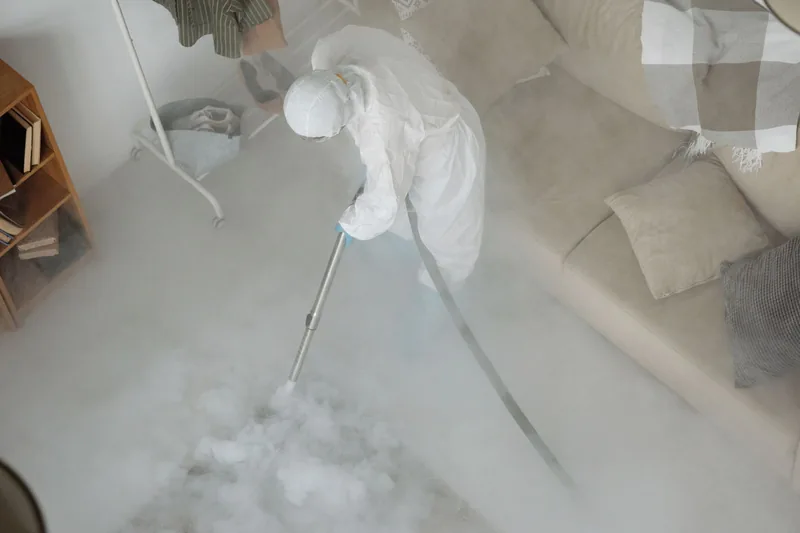
After exposure to infectious or hazardous material, the air, room and surfaces are fully decontaminated.
See biohazard decontamination
Contamination is cleared through biological remediation, returning the space to safe use.
See biohazard remediation
Commercial and industrial sites receive biohazard cleanup arranged around operating needs and site access.
See commercial and industrial biohazard cleanup
Healthcare biohazard cleanup covers clinics, care facilities and residential care homes.
See hospital and healthcare biohazard cleanup
Office and workplace biohazard cleanup after injuries or exposures.
See office and workplace biohazard cleanup
School and daycare biohazard cleanup outside of class hours.
See school and daycare biohazard cleanupUrine should not automatically be treated the same in every situation. The health condition involved, whether blood is present, the amount and the applicable waste rules can change how it is managed. Choosing the proper disposal method and protective gear requires a clear pre-cleanup explanation, while you avoid direct contact and restrict others from the area.
Begin by clearing people from the affected area and cleaning any soil you can see on compatible materials. Use an EPA-registered disinfectant according to every label direction for mixing and the required contact period. Give common touchpoints special attention, and do not combine one product with another. For up-to-date advice on medical care, testing or isolation, use instructions from a health professional or the public health authority.
Many bacteria are harmless, but some qualify as biological hazards because they are capable of causing disease. How concerning the situation is depends on the germ, exposure pathway and environment. Biohazard cleanup beyond standard surface treatment may be necessary if medical waste, sewage, blood or bodily fluids are present.
First remove soil and material you can see, then use an EPA-registered product on suitable surfaces that receive frequent contact. Follow the label for application, ventilation, protective gear and the time the surface must remain wet. Used cloths and gloves should stay out of surrounding areas, while single-use materials are contained and reusable tools are washed as instructed.
Your policy and the reason cleanup became necessary determine the answer. An insurer may address precautionary disinfection differently than cleanup connected with a property loss the policy covers. Call your insurance company, describe the event without guessing, and ask about the deductible, exclusions, documentation and whether approval is needed before work begins.
Alcohol appears in some registered disinfectants, but you cannot determine suitability for a germ or surface from an ingredient name alone. The product label must cover how you plan to use it, and you need to follow the stated instructions and contact time. Do not rely on drinking alcohol, homemade mixtures or an unlabeled container for disinfection.
You can request respectful, discreet infectious disease disinfection 24 hours a day, and crews use unmarked vehicles.