Hazmat Cleanup
Hazmat cleanup of hazardous materials with the right protective equipment.
See hazmat cleanupGet tear gas and pepper spray residue removed from a home, apartment, rental, vehicle or business after the property is released. Cleanup can include surfaces, contents, filters, vents and affected porous materials.
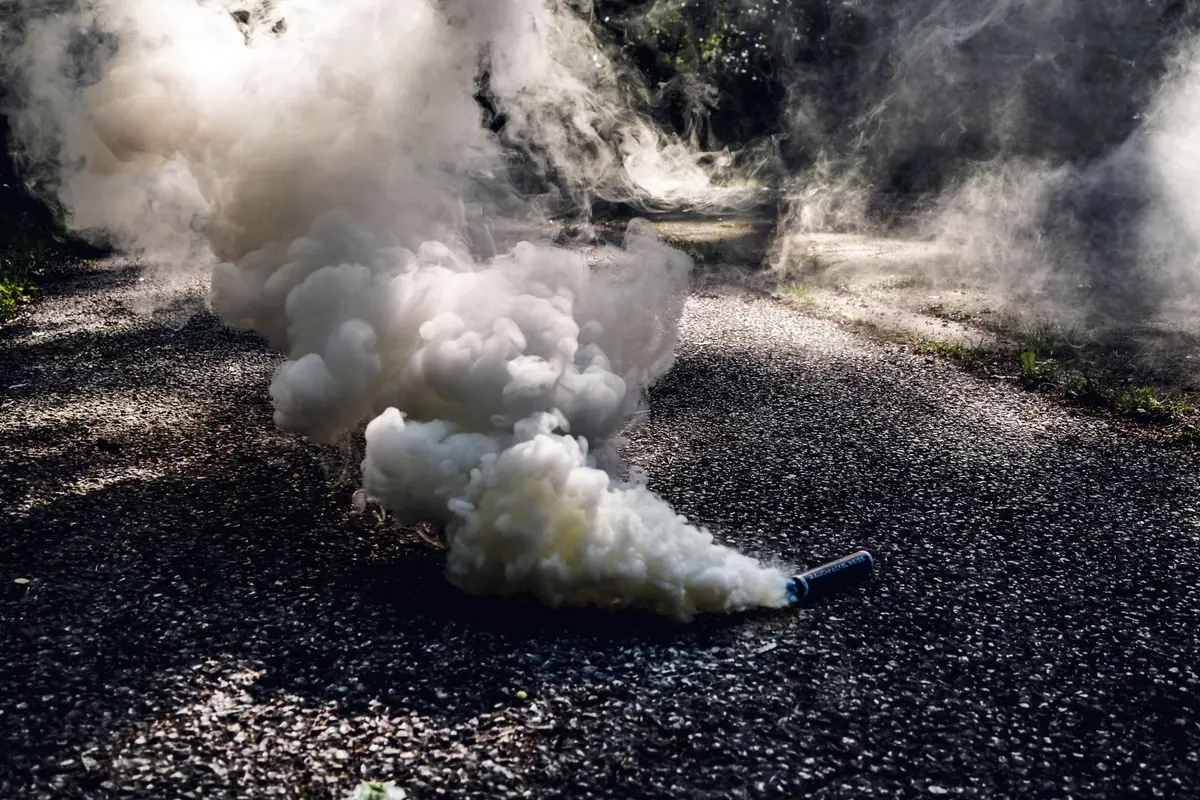
Tear gas cleanup is the controlled removal of chemical irritant residue after law enforcement action, crowd-control exposure or pepper spray use inside a home, rental, vehicle or business.
Fine particles can stay on personal belongings, furniture, counters, flooring and walls even after visible smoke is gone. Nearby materials may also hold a film from pepper spray. Residue can reach places outside the original release when someone walks through the space, carries items away or turns on the air system.
Professional cleaning services start by identifying the affected areas and the product used when that information is available. Trained technicians separate work zones, wear protective equipment, remove loose particles, wash compatible surfaces in a controlled order and repeat cleaning when residue remains. The entire process also considers ventilation, filters, ducts, soft materials and items that are difficult to wash. When blood or bodily fluids are also present, the scope may include biohazard remediation.
Personal property is sorted by material and condition so you understand what can be cleaned, isolated or removed.
Calls are answered day and night, and crews arrive in unmarked vehicles to protect your privacy after a difficult incident.
You can see which rooms, surfaces, contents and air-system parts are included before the cleaning process begins, which helps you compare cleanup scopes and make an informed decision.
The affected area stays divided from clean pathways, reducing spread into surrounding rooms as cleanup technicians relocate equipment and materials.
Tear gas removal is needed when irritant residue settles inside an occupied property or vehicle. Every situation needs a scope based on where the residue traveled. Common situations include:
When an earlier cleaning misses affected materials, disturbing surfaces can bring back dusty residue, odor or eye irritation.
A self-defense spray was released in a bedroom, hallway or living area and residue reached nearby surfaces and belongings.
A clear cleaning scope is needed when residue from one unit may have spread to an adjacent space, shared hallway or ventilation opening.
A store, office, warehouse or public building needs controlled cleaning before normal use can safely be considered.
Leave the exposed space first, and do not do anything that could carry residue elsewhere. Keep family members and others you care about away, then tell trained professionals what occurred. Before cleaners enter, follow these steps:
Call (888) 351-0904Crimescenecleanup.com's tear gas cleaning guide lists small apartments at $1,500 to $4,000 in cost, single-family homes at $3,000 to $10,000 in cost and commercial properties at $10,000 to $50,000 in cost. These published amounts are not a quote. Final scope is shaped by property size, affected materials, involvement of the air system, elapsed time after exposure and how many cleaning rounds are necessary.
The figures shown are national ranges from published cost guides and are not based on an on-site visit. After an on-site assessment, the price for your property is determined and shared with you before cleanup begins.
Ask about cost: (888) 351-0904Insurance may cover tear gas cleanup, but the decision depends on the policy, the cause of the incident and any exclusions. Report the loss to the insurance company and ask for a coverage decision based on your specific claim.
Assessment and cleanup at a rental are usually arranged by its manager or owner. Responsibility for the bill can depend on the lease, policy language and circumstances.
Ask about cleanup aid if the incident resulted from a crime that meets program requirements. Victims of violent crime can ask the Louisiana Crime Victims Reparations Board, supported by the Louisiana Commission on Law Enforcement, about crime scene cleanup. The program lists it among eligible expenses. Insurance is usually checked first.
Check whether your policy covers a temporary place to stay, air-system work, damaged building materials, personal property and chemical residue cleanup while the affected area remains closed.
Store your property-release form and incident number with photos, the cleanup scope, material inventory, bills and waste paperwork. Your record may support insurance assistance so you can move forward on the claim.
From release of the property to a closing inspection, remediation takes place as a managed sequence. The work is planned around the rooms involved, the materials affected and the routes that building airflow may have carried residue.
The affected area, release location, residue paths, HVAC layout, exposed contents and incident damage are mapped by cleanup technicians.
The planned work covers which rooms need separation, what surfaces require cleaning, which contents must move, filter work and material removal decisions.
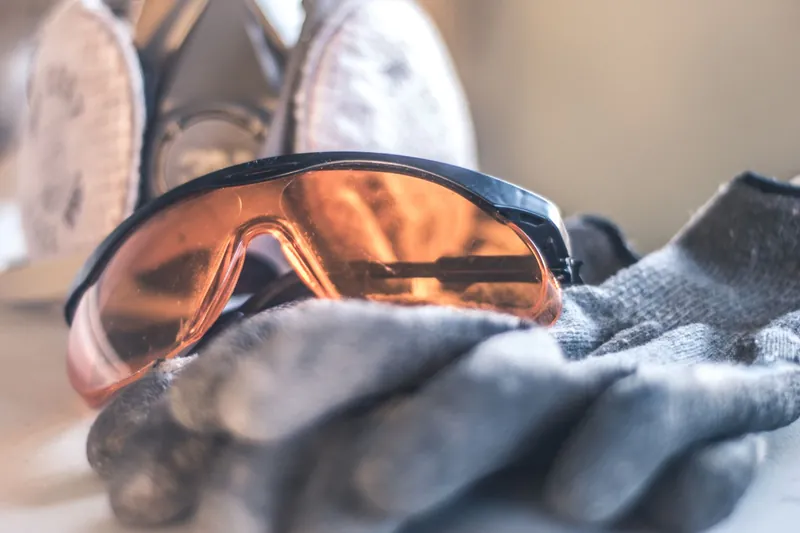
Clean spaces remain separate from work zones while technicians use gloves, protective garments, respiratory equipment and eye protection matched to site conditions.
Methods that control airborne dust are used to collect loose residue. Technicians begin on upper surfaces, move down to flooring and work from cleaner boundaries into the release zone.
Where materials permit it, walls, fixtures, cabinets, ceilings and floors undergo thorough wet cleaning. More cleaning rounds are completed if irritation or film remains.
Each hard surface or washable item receives finish-compatible treatment intended to remove residue without unnecessary damage or further distribution.
If the system operated during or following the release, the check includes filters, accessible HVAC surfaces, supply vents and return openings.
Technicians inspect connected spaces, cleaned contents and rooms for any missed deposits, odor that remains or areas needing repeat cleaning.
Call at any time. A tear gas and pepper spray cleanup specialist answers, explains the steps and agrees a start time with you.
Tear gas and pepper spray residue can irritate your eyes, skin and breathing passages again when contaminated dust or materials are disturbed. Questions about serious health risks belong with a medical professional.
Shelving, concealed ledges, floors and trim can retain fine particles long after the air seems clear. Dry sweeping or ordinary vacuuming can put those particles back into the air.
Residue on upholstery, clothing, carpet and other soft materials can transfer to hands and faces. Without protective gear, contact with affected items may lead to repeat exposure.
An operating HVAC system, open doorways and foot traffic can carry residue past the room of release. The assessment should include nearby pathways and air returns.
Can you clean it yourself? A brief outdoor exposure and an indoor release are different situations. Do not mistake tear gas particles indoors for common dust, and avoid masking them with fragrance. Keep access closed and do not try DIY methods. Ask for a scope covering the air system, contents and surfaces.
Tear gas cleanup can require one or more work visits, and a responsible schedule comes from the site assessment. A limited hard-surface release is usually simpler than a multi-room property with porous contents or air-system involvement. Restoration services may follow if carpet, drywall or other building materials are removed.
| Scene | Typical time on site |
|---|---|
| Limited release on hard surfaces | A focused cleaning visit may be enough when the residue remained in a single area |
| Residence where belongings or the HVAC system are involved | Time is needed for containment, detailed cleaning and multiple passes |
| Large commercial or multi-room property | A phased schedule lets technicians check each room before that area returns to use |
Odor work must start by clearing the residue itself. Quick airing, paint and fragrances may cover a smell but leave irritant material on wall surfaces, cloth, shelves or other places it settled. The absence of a strong smell is not evidence that people can safely return to the area.
Air quality measures need to track every route taken by the contamination. Work may involve controlled ventilation, changing affected filters, addressing dust on reachable parts of the air system and cleaning near supply vents and returns. HEPA air cleaning may assist this effort, but contaminated materials still require removal and surfaces still need cleaning.
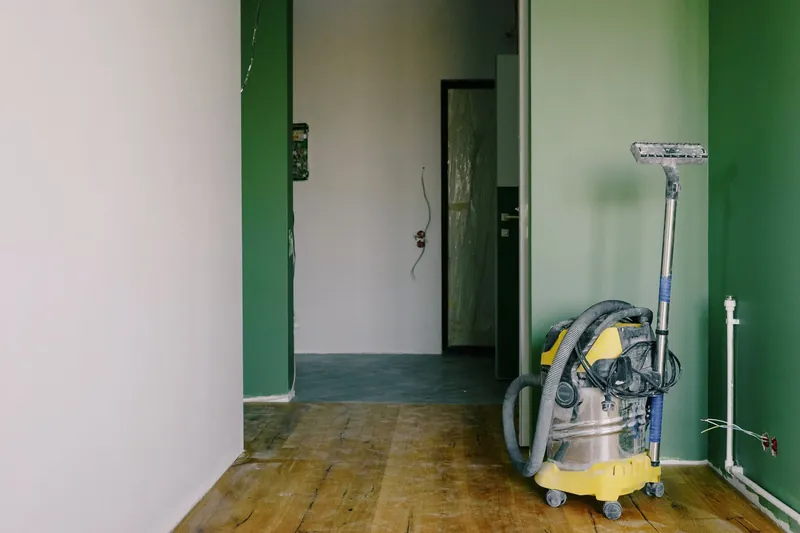
While the event is ongoing or evidence work continues, law enforcement decides who may enter. Property release must occur before you go inside, move items or start cleaning.
When available, label text, product specifications and safety details help determine the irritant and select cleaning methods suited to different surfaces. Reading a device is not a reason to touch it.
The nature of the material and deposited residue controls its waste category. Local rules determine whether removed material is hazardous waste and which waste disposal path applies. (Louisiana treats soaked materials from a biohazard scene as potentially infectious biomedical waste. Louisiana Department of Health sanitary code rules control how it is packaged, stored and transported, so it cannot go in household trash.)
When bodily fluids or blood are part of cleanup, federal OSHA Bloodborne Pathogens Standard 29 CFR 1910.1030 establishes requirements for worker protection, training and handling.
The full tear gas and pepper spray cleanup guide covers what is cleaned or removed, odor and air quality work, and the rules that apply in your state.
Read the full tear gas and pepper spray cleanup guide
Local population patterns, housing and site access may affect how containment and cleanup are planned.
Knowing that New Orleans East Hospital is about 1.3 miles away helps households plan where to seek care before arranging scene cleanup.
With New Orleans East, Barrington Park, and Huntington Park close by, accurate street and unit details help avoid confusion during a sensitive response.
The Orleans Parish location helps orient travel, while the neighborhood and full address identify where private cleanup work actually occurs.
During your call, ask whether cleanup is available in surrounding communities and ZIP codes.
Hazmat cleanup of hazardous materials with the right protective equipment.
See hazmat cleanup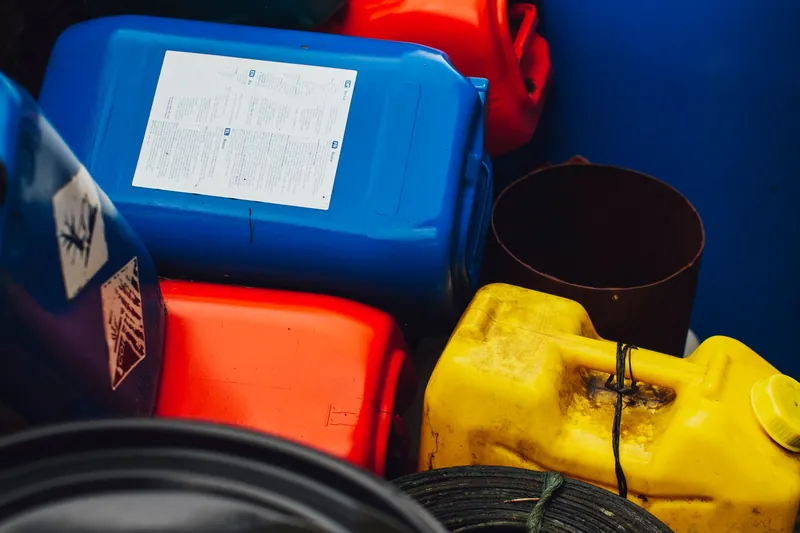
Safe disposal is included with chemical and toxic waste cleanup.
See chemical and toxic waste cleanup
After the property is released by police, crime scene cleaning removes blood and controls odor.
See crime scene cleanup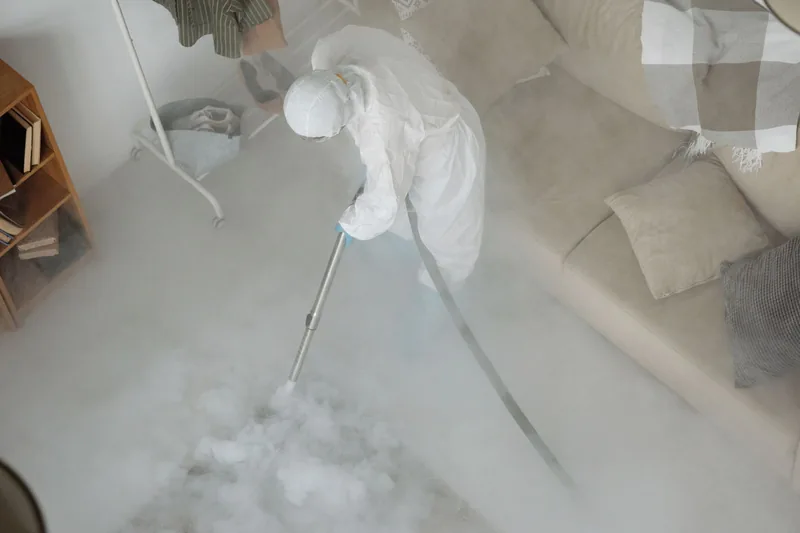
After exposure to infectious or hazardous material, the air, room and surfaces are fully decontaminated.
See biohazard decontamination
Commercial and industrial biohazard cleanup planned around site access and operating needs.
See commercial and industrial biohazard cleanup
Hotels, rental properties and Airbnb units receive biohazard cleanup.
See hotel, airbnb and rental biohazard cleanup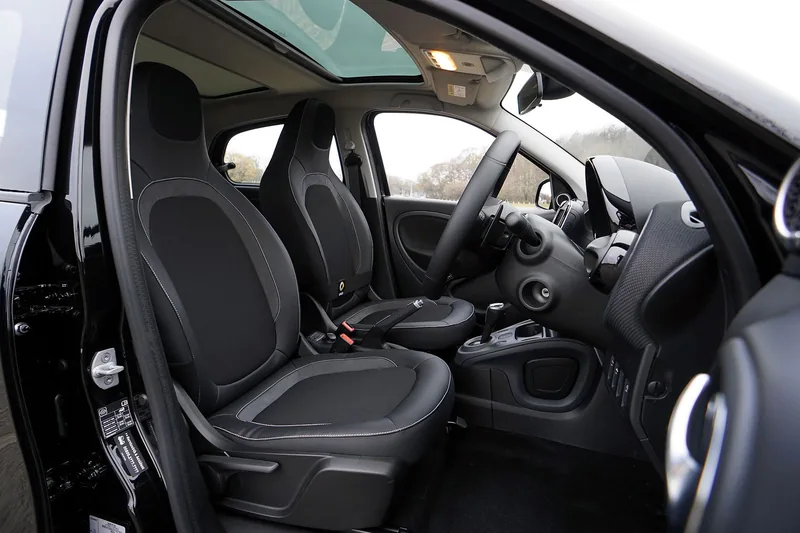
Vehicle biohazard cleanup for cars, trucks, boats and RVs.
See vehicle biohazard cleanup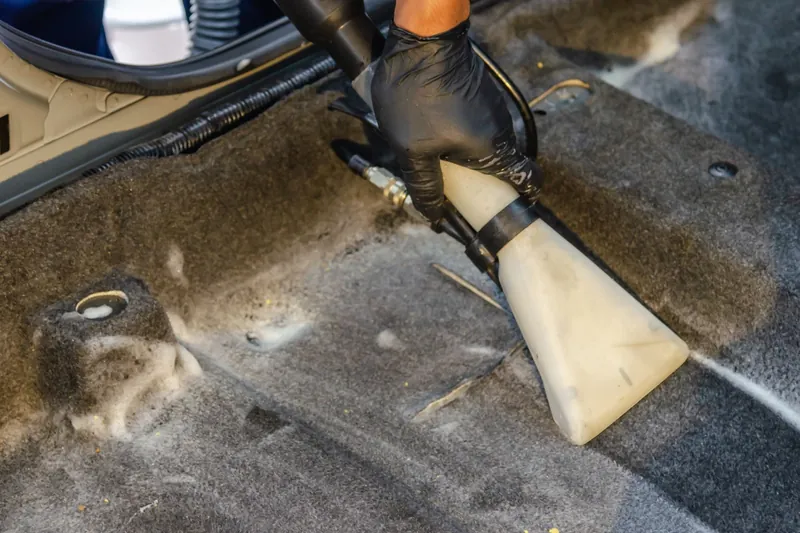
Biohazards are cleaned from carpets and upholstery, or affected materials are removed safely when needed.
See biohazard carpet and upholstery cleaningHow long work takes is shaped by the number of affected spaces, HVAC use, volume of personal property and need for repeat cleaning. A limited hard-surface release can be addressed more quickly than a multi-room home or commercial property with carpet, upholstery and HVAC involvement.
The cited tear gas cleanup cost guide lists $1,500 to $4,000 for a small apartment, $3,000 to $10,000 for a single-family home and $10,000 to $50,000 for a commercial property. The final scope varies with area size, air-system exposure, material types, elapsed time and the need for multiple cleaning rounds.
Carpet, upholstery, curtains and other porous items can retain residue after it settles. Items that tolerate washing can sometimes be treated individually, whereas severely affected material may have to be taken out. Whether an item stays depends on its material and condition, how it was exposed and the ability to access residue without further distribution or ruin.
Your coverage is determined by the cause of release, the policy terms and relevant exclusions. After reporting the incident, ask the insurance company whether building materials, temporary housing, chemical residue cleaning, air-system work and personal property fall within the coverage. Save the law enforcement release, photos, work plan, bills and waste documents for the insurance company.
Limited exposure outside does not create the same situation as a release within a building. Home cleanup methods such as sweeping, standard vacuuming or relocating textiles may distribute residue. A building cleanup can include the air system, contents, wall and ceiling surfaces, along with items that are not washable. Before work begins, professional evaluation defines your affected area and lays out the cleaning process.
Yes. The risk is greater when ventilation, heating or cooling equipment operated during or following the release. An evaluation should cover rooms served by the system along with returns, filters and supply vents. Cleaning indoor air alone will not resolve the issue. You still need source removal or cleaning for contaminated materials and residue deposited on surfaces.
Respectful, discreet tear gas and pepper spray cleanup is available 24 hours a day, and crews arrive in unmarked vehicles.