Bird and Bat Guano Cleanup
Attics and other structures receive cleanup and disinfection for bat and bird guano.
See bird and bat guano cleanupGet mouse and rat droppings, urine, nests and soiled insulation removed from an attic, crawl space, garage or home in Leonidas. Dry waste is wetted before removal to keep particles from spreading.
A rodent droppings cleanup uses controlled wet removal for mouse and rat waste, nests, urine and contaminated materials. It continues with surface cleaning, disinfection and odor treatment, then ends with an inspection of the affected space.
The affected space could be a shed, cabin, pantry, basement, attic, garage, storage room, crawl space or part of the living area. A technician checks areas beyond visible waste, including wall edges, the space below insulation and spots behind stored boxes where urine, debris or nests may remain. The biohazard work centers on residue left by rodents.
Although each property has different conditions, ordinary sweeping is not the cleanup method. No one should brush, blow or vacuum dry nests and droppings. Instead, suitable disinfectant wets the material and remains for all of its labeled contact time before disposable tools lift it. Sealed surfaces receive cleaning and disinfection, while soiled absorbent materials are assessed for removal. Preventing a new infestation also requires separate pest control and closure of entry holes.
Photos, the work scope and a list of removed materials can be organized for property owners, landlords and insurance companies when requested.
You receive an explanation of the treatment areas, possible removals and scope-changing conditions before cleanup starts.
Daytime and nighttime calls are accepted, and cleanup crews may travel in unmarked vehicles. You can describe what happened in a calm conversation and request privacy for the work.
Personal property is checked by material and condition. Being kept close to the affected area does not automatically make an item waste.
Professional cleanup makes sense when contamination is widespread, difficult to reach or soaked into porous materials. Common situations include:
Once active rodents are addressed, cleanup may continue with odor work, removal of waste, disinfection and the sorting of contaminated materials.
A cabin or seasonal home that sat closed may contain dusty droppings and nests across more than one room or storage area.
Low clearance, exposed soil, pipes and limited ventilation can make wet removal and safe movement harder than cleaning an open room.
Insulation, rafters, stored possessions and tight spaces with difficult access may all contain urine, nests and droppings.
Your first goal is to keep dry material from becoming airborne or moving into clean rooms. Take these steps before the cleaning service arrives:
Call (888) 351-0904HazardPros identifies a planning benchmark of $150 to $600 for rodent cleanup. Its range for waste removal plus disinfection is $600 to $1,000. The attic cleaning benchmark, which includes insulation replacement, is $2,200 to $6,200. A quote is not fixed by these figures. Final cost is shaped by the affected area's size, accessibility, insulation, odors and waste volume.
Published national cost guides are the source for these ranges, rather than an inspection of your property. After an on-site assessment, the price for your property is determined and shared with you before cleanup begins.
Ask about cost: (888) 351-0904Insurance may or may not cover the cleanup. Policy terms, cause and the insurer's choice to classify the condition as a covered event or gradually developed pest damage all matter.
The commercial policy and lease should both be checked by the business. Keep employees and customers outside the affected area while cleanup and insurance coverage are assessed.
Tell the property owner or manager about the contamination. Responsibility for scheduling and paying for cleanup may vary with lease terms, local requirements, the cause and property conditions.
Ask your insurance company if the policy includes cleanup, damaged insulation removal and restoration. Your policy may not cover rodent damage that accumulated gradually, so check the specific wording.
Keep photographs, invoices, an item-by-item scope and documentation showing which materials were removed for your claim. Contact the insurer ahead of the work, if practical, to confirm its recordkeeping requirements. Clear records can help you move forward with the claim.
To keep dried waste from reaching nearby spaces, the rodent cleanup process uses a controlled order. First comes assessment, followed by wet treatment, removal and disinfection, with a final check at the end. You receive an explanation of the full process and what each part covers before it starts.
During the inspection, crews check access to each room, attic or crawl space and identify affected personal property, insulation, vents, droppings, urine and nests.
The contaminated zone is contained away from clean rooms. Protective equipment is selected for the space, while a controlled access route limits tracking across the property.
Where safety permits, ventilation is used for a shut room. People lacking protection do not enter the work space, and fans never push air through contaminated particles.
Nesting debris and rodent waste are soaked using an appropriate disinfecting product. Crews wait through the product label contact time while keeping affected surfaces wet, then begin removal.
Damp waste is lifted with disposable tools and sealed as work moves section by section. Contaminated material is kept from being shaken, brushed or moved across clean surfaces.
Once you discuss and approve the removal plan, uncleanable absorbent materials such as textiles, cardboard and insulation can be sealed in bags.
Reachable hard surfaces are cleaned before an EPA-registered disinfectant is applied for its full contact time. Removal of contaminated material comes first, followed by odor and air quality treatment.
The area is checked for missed debris, residue and odor. Your cleanup summary helps you plan any needed pest exclusion and restoration services as separate work.
Call at any time. A specialist in rodent droppings and hantavirus cleanup takes your call, explains each step and agrees on a start time with you.
Health risks can be serious when rodent contamination is heavy, especially where a space is dusty or enclosed. Droppings, nesting material and urine may carry germs, while disturbing them dry can make contaminated particles airborne and expose you through breathing.
Hantaviruses occur in certain wild rodents. Agitating contaminated urine, feces or nest debris can send particles airborne and expose people, so you should not vacuum or sweep the material dry.
A badly affected area is not suitable for people with reduced immunity or existing breathing conditions. If you feel ill after exposure, tell a medical professional about the rodent contact.
Urine can soak into insulation, cardboard, fabric and unfinished wood. If cleanup stops at visible feces, absorbent materials can continue holding unseen residue and smells.
Can you clean it yourself? For limited waste that you can reach easily, careful protection and a wet-clean approach may be manageable. When ventilation is safe, air out the space and put on gloves. Saturate the waste with disinfectant, wait through the labeled contact time, then wipe and seal it. Avoid dry sweeping and vacuuming completely. Arrange professional cleanup for contamination that is dusty, heavy, extensive, inaccessible or spread among stored belongings and insulation.
Hard surfaces with a sealed finish are often cleanable and can be kept. When absorbent materials retain nesting debris, urine or droppings beneath the surface, removal may be needed.
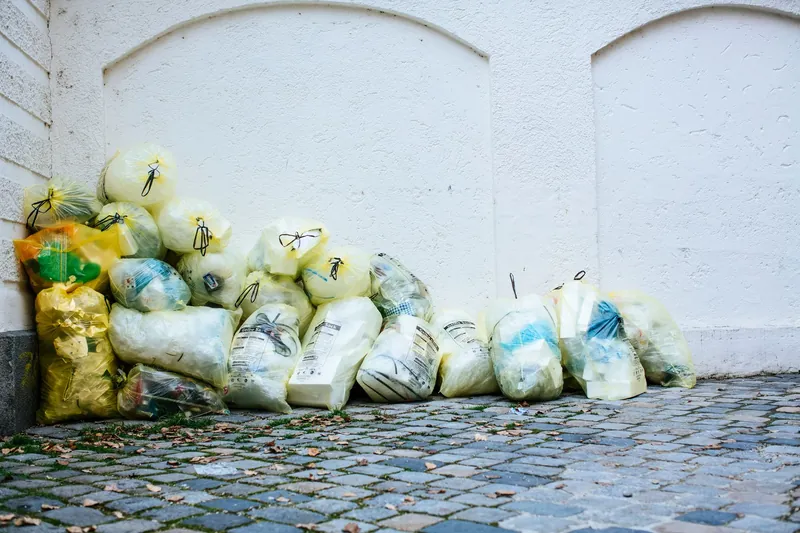
CDC instructions call for a damp cleanup method. The material is first treated with disinfectant and then lifted, since brushing or vacuuming it dry may release contamination into the air.
The disinfectant needs to match both the target organism and the type of surface. Follow every label cleaning instruction and allow the complete stated contact period.
Employers need to assess the exposure and select suitable protective equipment, work practices and training. OSHA Bloodborne Pathogens Standard 29 CFR 1910.1030 applies when occupational exposure includes blood or other covered material.
The kind of debris, property and local area can each affect disposal rules. Not every type of rodent material qualifies as hazardous waste. Check local requirements when dead rodents, dirty insulation, sharp objects or other hazardous materials need special procedures.
A few hours may be enough for rodent cleanup in a small area with easy access. Work throughout an attic or crawl space often requires one to two workdays. More time may be needed when contamination is heavy, entry is difficult or much insulation must be removed.
The full rodent droppings and hantavirus cleanup guide covers what is cleaned or removed, odor and air quality work, and the rules that apply in Louisiana and Orleans Parish.
Read the full rodent droppings and hantavirus cleanup guideLocal housing, population and access details can shape containment, access and cleanup planning.
Knowing that Childrens Hospital is about 0.3 miles away helps households plan where to seek care before arranging scene cleanup.
The location sits near Hollygrove, Black Pearl, and Greenville, making local landmarks helpful when a property entrance is hard to find.
Because this is a neighborhood within New Orleans, cleanup access may depend on local parking, common entrances, or building management rules.
During your call, ask whether cleanup is available in surrounding communities and ZIP codes.
Attics and other structures receive cleanup and disinfection for bat and bird guano.
See bird and bat guano cleanup
Removal of dead animals and related odors covers walls, crawl spaces and ventilation ducts.
See dead animal removal and cleanup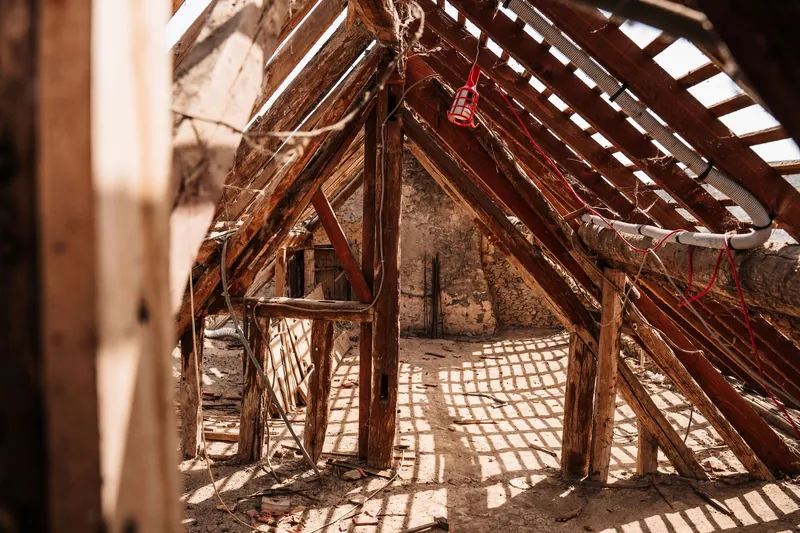
Animal hoarding cleanup of waste, urine soaked materials and ammonia odor.
See animal hoarding cleanup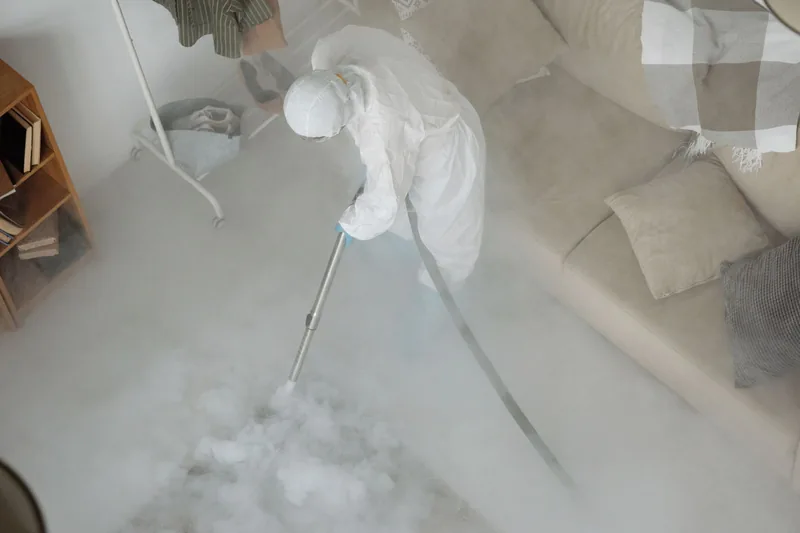
After exposure to infectious or hazardous material, the air, room and surfaces are fully decontaminated.
See biohazard decontamination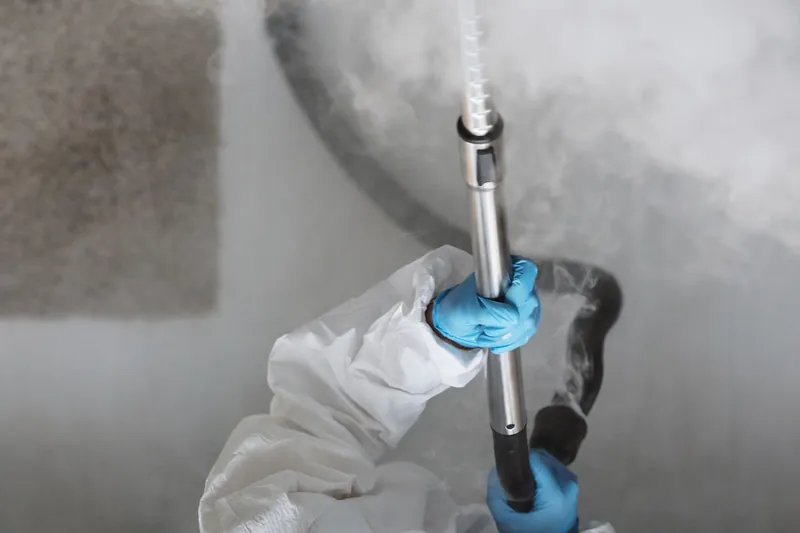
All surfaces receive full coverage with EPA-registered products for infectious disease disinfection.
See infectious disease disinfection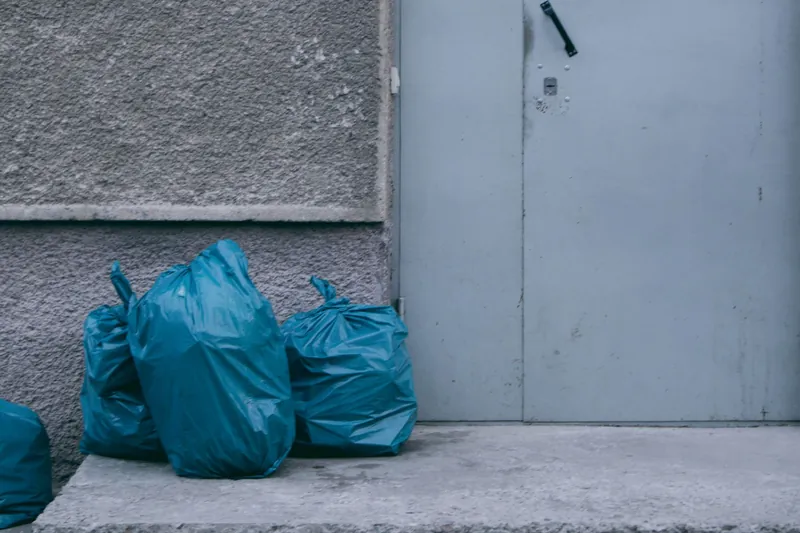
Homes made unsafe for living by squalor and filth receive cleanup.
See filth and squalor cleanup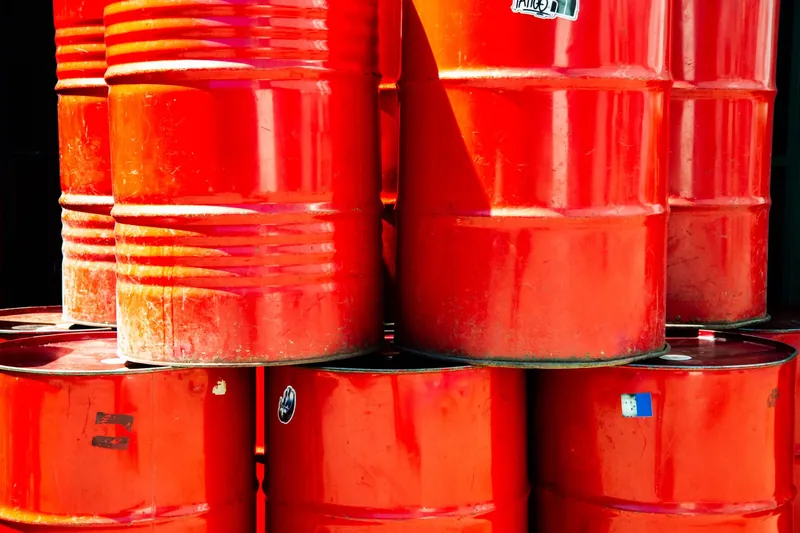
Sealed containers with labels hold biohazard waste during collection and disposal.
See biohazard waste disposal
Crawl space sewage cleanup addresses wet insulation and affected soil.
See crawl space sewage cleanupNo. Sweeping and ordinary vacuuming can send dry particles into the air and move them through the room. Keep others and animals outside the area. If ventilation is safe, air it out, then apply a suitable disinfectant and allow its full contact period before picking up debris with throwaway towels or tools.
No. Cleanup removes contaminated materials, urine, droppings and nests, while live rodents and their entry points require separate work. You arrange pest removal and exclusion apart from cleanup. Follow cleaning with an inspection and repairs to gaps or other access points. Continue checking the space for signs of renewed activity.
A rodent droppings cleanup service can remove waste, nests and contaminated insulation from an attic. Pest control usually addresses live rodents and entry points, while the cleanup service addresses what was left behind. Your questions should cover work-zone separation, removal methods and any restoration that must be arranged independently.
Nonporous belongings made from metal, glass or rigid plastic are often suitable for cleaning and disinfection. Treatment can generally be applied to the outer surface of shut plastic bins. Removal may be necessary for nest debris, textiles, paper products and insulation that absorbed rodent urine. Personal property should be reviewed item by item before anything is discarded.
Minor contamination in a reachable, ventilated area may be suitable for careful cleanup. Wear gloves, wet the material with an appropriate disinfectant, follow the full label contact time, wipe it up and seal the waste. Avoid using either a vacuum or broom. Get help for heavy contamination, tight spaces, insulation or health concerns.
Hantaviruses occur among particular types of wild rodents. When contaminated urine, feces or nesting debris becomes airborne, breathing the particles can lead to exposure. Serious disease is possible even though hantavirus cases are uncommon. If symptoms appear following rodent contact, explain the location and timing of your exposure to a healthcare professional.
Respectful, discreet rodent droppings and hantavirus cleanup is available 24 hours a day, and crews arrive in unmarked vehicles.