Blood Cleanup
Carpet, solid floors, walls and furnishings receive blood cleanup that includes safe disposal.
See blood cleanupGet fresh or dried blood cleaned from hard surfaces, carpet, furniture and building materials in Harvey. The affected area is assessed before cleaning, disinfection and blood waste disposal begin.
Blood cleanup is the controlled removal of fresh or dried blood, followed by cleaning, disinfection and disposal of materials that cannot be safely kept.
Some spills remain on a sealed floor. Others move beneath baseboards or penetrate upholstery, carpeting, the pad, subfloor or wall material. Professional cleaning traces everywhere the blood traveled. This reveals the full affected area, limits cross-contamination and allows treatment of each surface that is safe to keep.
Unlike routine cleaning, biohazard blood cleanup uses controlled work zones, protective equipment and products matched to the material. Trained technicians first take off visible soil, then leave an EPA-registered disinfectant in place for the full contact time stated on its label. Other hazardous materials stay separate from blood-absorbing items before blood waste disposal according to applicable rules.
Crews involve you in identifying keepsakes and valued belongings whenever possible before making careful removal choices.
To move forward with repairs and discuss the claim with insurance companies, keep job photos, disposal records and scope details.
Daytime and nighttime calls receive answers, while cleanup crews use unmarked vehicles. You can explain the situation without cleaning or moving contaminated items first.
Learn which items can be cleaned or removed and what shapes cost before the cleaning service starts.
When blood is too widespread, too extensive or emotionally difficult for ordinary cleaning, blood clean up services may be appropriate. These are also known as blood cleanup services. An individual assessment determines the needs of each situation. Examples commonly include:
Law enforcement may release a crime scene while blood and bodily fluids remain both above surfaces and within gaps underneath.
Unattended death cleanup can include blood along with other bodily fluids, odor and contamination beneath flooring or behind finishes.
After someone is injured in a car, blood may soak into seats, carpet, seams or trim. An assessment identifies cleanable materials and those that must be removed.
Trauma cleanup can involve personal property along with several kinds of surfaces. Cleanable possessions are divided from contaminated materials through careful sorting.
Put personal safety first. Before a blood cleanup company or blood cleaning company arrives, take these practical steps so the cleanup crew can understand the affected area:
Call (888) 351-0904Published blood cleanup guides show ranges from $300 to $5,000. Minor blood cleanup is commonly listed at $500 to $2,500. A small spill on one sealed surface can cost less than blood that entered carpet, subfloor, furniture or several rooms. The amount of blood, surface type, number of affected areas and waste disposal needs shape the final scope.
The figures shown are national ranges from published cost guides and are not based on an on-site visit. You learn what your property will cost after the on-site assessment and before any work begins.
Ask about cost: (888) 351-0904Homeowners, renters and commercial policies may cover blood cleanup after an event the policy includes. Whether coverage applies is determined by the loss cause, deductible and policy terms.
Before restoration begins, property owners or business managers can contact the commercial insurer to ask what records are required and how cleaning services and interruption terms apply.
Describe the incident and all affected rooms or materials to the insurance company. Check whether your policy applies to biohazard cleanup and affected construction materials.
Save your claim number, cleanup details, photographs taken safely and documentation for materials removed. Check with your adjuster prior to throwing away other damaged belongings.
Victims of violent crime can ask the Louisiana Crime Victims Reparations Board, supported by the Louisiana Commission on Law Enforcement, about crime scene cleanup. The program lists it among eligible expenses. Insurance is usually checked first.
Assessment is the starting point, and a final check completes the cleanup process. The service records each stage because blood spill risks and surface materials vary. How far blood moved, what it touched and how much is present determine the process as a whole.
Cleanup crews inspect the visible spill and nearby seams, edges and rooms. Cleanup technicians determine which materials absorb liquid and make a record of the starting condition.
The cleanup area remains isolated from unaffected space. Protective equipment appropriate to the exposure is worn by cleanup staff, who limit traffic across the work-zone boundary.
Materials that cannot be fully cleaned, including padding, bare wood, wallboard, insulation and upholstery, are removed with care rather than covered or deodorized.
Visible material is removed from hard surfaces before disinfection. Treatment covers fixtures, borders, grout joints and any additional spots reached by blood.
Cleanable surfaces are treated with an EPA-registered disinfectant. The surface stays wet for the full contact time stated on the product label.
Contaminated materials and used cleanup products receive hazardous-waste packaging where required, followed by disposal that meets state and local rules.
The space receives an odor check following removal of the source. Air filtration or another source-focused treatment may be used when needed.
The work zone is reviewed for missed surfaces, and photos and records can document what was cleaned, removed and prepared for restoration services.

Call any hour. A specialist in blood spill cleanup takes your call, explains each step and agrees on a start time with you.
Blood can contain bloodborne pathogens and create serious health risks. Dried blood still requires careful treatment because appearance does not show whether contamination is present.
Hepatitis B, hepatitis C or HIV could be present in blood. Dried blood is not harmless because the CDC states that hepatitis B can persist on surfaces for at least seven days.
Damaged furnishings, used absorbents and cleaning materials may require controlled packing and disposal. Material type and rules in your area control where it must go.
Carpet, padding, unfinished wood, drywall and upholstery can absorb a spill. Contaminated material may remain below when just the visible surface is cleaned, creating a serious health risk.
Can you clean it yourself? For a few fresh drops on a non-porous sealed surface, use disposable gloves and apply an EPA-registered disinfectant for the complete labeled contact time. Avoid mixing any chemical cleaners. Professional cleanup is appropriate when a spill soaked into porous material, spread outside defined edges or followed an unattended death, crime or trauma.
Blood cleanup can be completed in one visit when a small spill is confined to sealed material. If porous items or several rooms are involved, removal, disinfection and documentation take longer.
| Scene | Typical time on site |
|---|---|
| Small blood spill affecting a single sealed surface | Frequently finished in a single cleanup appointment |
| Several surfaces, furniture or carpeting involved in the spill | Could need extra work or more time on site |
| Broadly affected area with construction materials to remove | Drying, waste disposal and material removal determine the timeline |
Odor control begins by finding and removing the source. Fragrance does not clean blood, and covering a stain does not address material that entered carpet pad, subfloor, upholstery or a wall cavity.
The area can be checked once more after removal of contaminated materials and treatment of surfaces that can be cleaned. HEPA air filtration may capture airborne particles as remediation proceeds. Odor that remains calls for more investigation of the source, not a more powerful scent.
Federal rule 29 CFR 1910.1030 covers worker protections when occupational exposure to blood or other potentially infectious materials can occur.
The product must be EPA-registered for how it will be used, with the treated surface remaining wet for the full label contact time.
Louisiana treats soaked materials from a biohazard scene as potentially infectious biomedical waste. Louisiana Department of Health sanitary code rules control how it is packaged, stored and transported, so it cannot go in household trash.
Louisiana has no statewide medical examiner. Each parish has an elected coroner who investigates deaths involving violence, accidents or suspicious circumstances. Cleanup starts after police or the coroner release the scene.
The full blood spill cleanup guide covers what is cleaned or removed, odor and air quality work, and the rules that apply in Louisiana and Jefferson Parish.
Read the full blood spill cleanup guide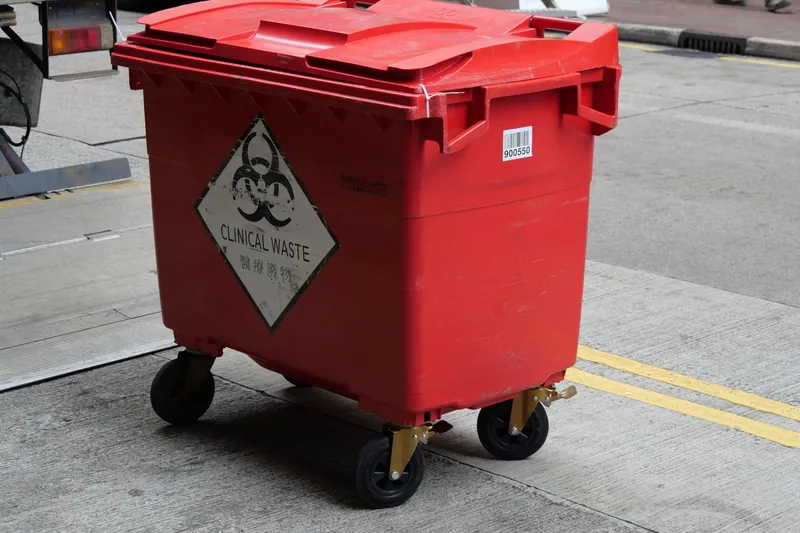
Containment, entry and cleanup plans can be influenced by local housing, population and access details.
The 47.3% rental share makes it important to identify the decision maker before porous building materials are removed.
A 1975 median build year points to varied interior finishes, so each affected material needs its own cleaning or removal decision.
With 29.0% of seniors living alone, private cleanup communication may need to include a relative who lives somewhere else.
Because 63.2% of housing is single-family, some calls involve one household while others require coordination around shared building areas.
You can ask about cleanup in nearby communities and ZIP codes during the call.
Carpet, solid floors, walls and furnishings receive blood cleanup that includes safe disposal.
See blood cleanup
Cleanup that controls hepatitis B, hepatitis C and HIV exposure from blood.
See bloodborne pathogen cleanup
Across care settings, commercial spaces and homes, bodily fluid cleanup includes disinfection.
See bodily fluid cleanup
In public spaces, homes and workplaces, injury and accident scene cleanup addresses the area.
See accident and injury scene cleanup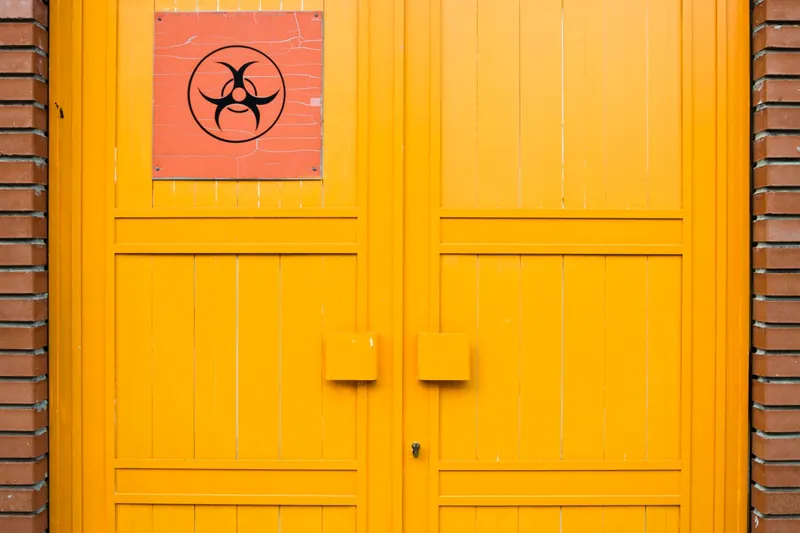
Following accidents, violence or injuries, trauma scene cleanup addresses the affected area.
See trauma scene cleanup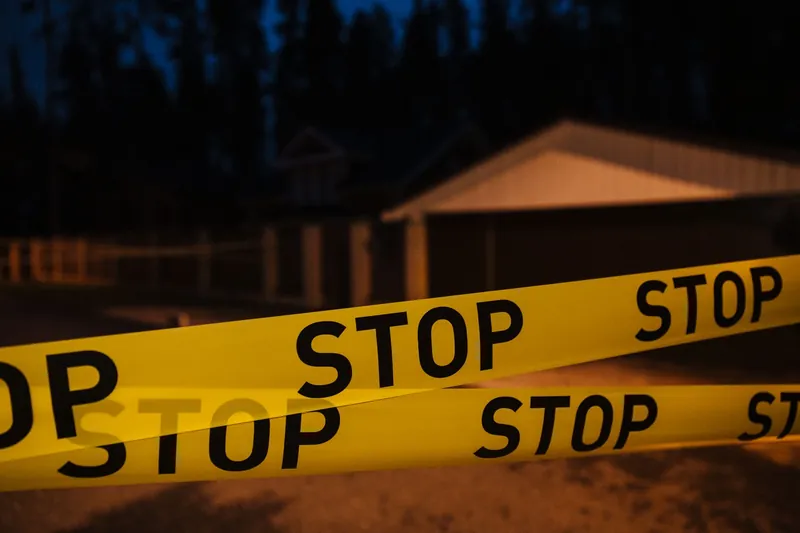
After the property is released by police, crime scene cleaning removes blood and controls odor.
See crime scene cleanup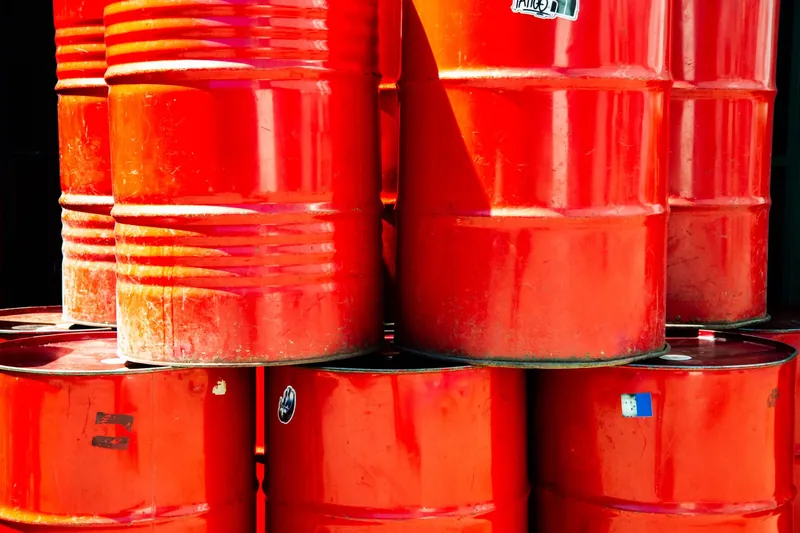
Biohazard waste is collected in labeled, sealed containers and taken for disposal.
See biohazard waste disposal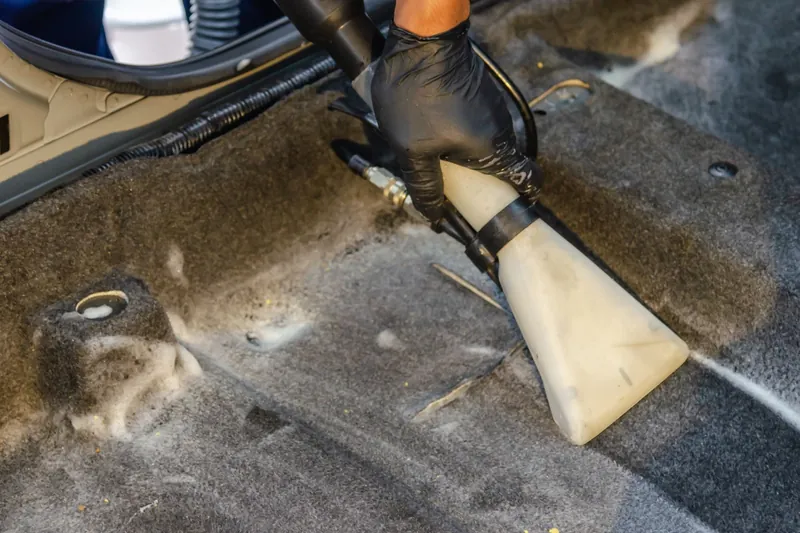
Carpet and upholstered items receive biohazard cleaning or are removed safely if necessary.
See biohazard carpet and upholstery cleaningHuman blood is treated as potentially infectious because it may contain bloodborne pathogens. You cannot tell whether blood carries a pathogen by looking at it. Keep unprotected people away, avoid direct contact and treat dried blood with the same caution as a fresh spill.
When only a few new drops reached sealed, non-absorbent material, gloves plus an EPA-registered disinfectant applied by following every label direction may be sufficient. Professional cleanup is appropriate for spills involving porous materials, crevices, unclear boundaries or sharps, as well as blood related to a crime, traumatic event or unattended death.
Following release by law enforcement, scene cleaners create a contained zone, wear protective gear and check for contamination outside what can be seen. They remove material that cannot be saved, clean visible soil, apply an EPA-registered disinfectant for its label contact time, package waste and inspect the affected area.
It may. Whether the claim is covered varies with what caused the event, your deductible and policy language. Report what happened to the insurance company and ask about damage to building materials plus biohazard cleanup. Keep the claim number, photographs taken safely, disposal documentation and details of the cleanup scope.
For a sealed material with only a few drops, wear disposable gloves, remove the soil you can see and keep an EPA-registered disinfectant in place throughout the label contact time. Do not mix chemicals. Use professional blood cleanup for greater safety if blood soaked into furniture, carpet, wood or cracks, covered a broad area or resulted from trauma.
Published guides put blood cleanup between $300 and $5,000, with minor jobs shown from $500 to $2,500. Cost reflects blood volume, absorption by porous materials, affected room count and required waste disposal.
Crews carry out respectful, discreet blood spill cleanup, arrive in unmarked vehicles and take calls 24 hours a day.