Hoarding Cleanup
Hoarding cleanup combines respectful sorting, removal and deep cleaning.
See hoarding cleanupRemove animal waste, urine-soaked materials, contaminated clutter and ammonia odor from a home or rental in Bywater. Personal property is sorted before affected surfaces are cleaned.
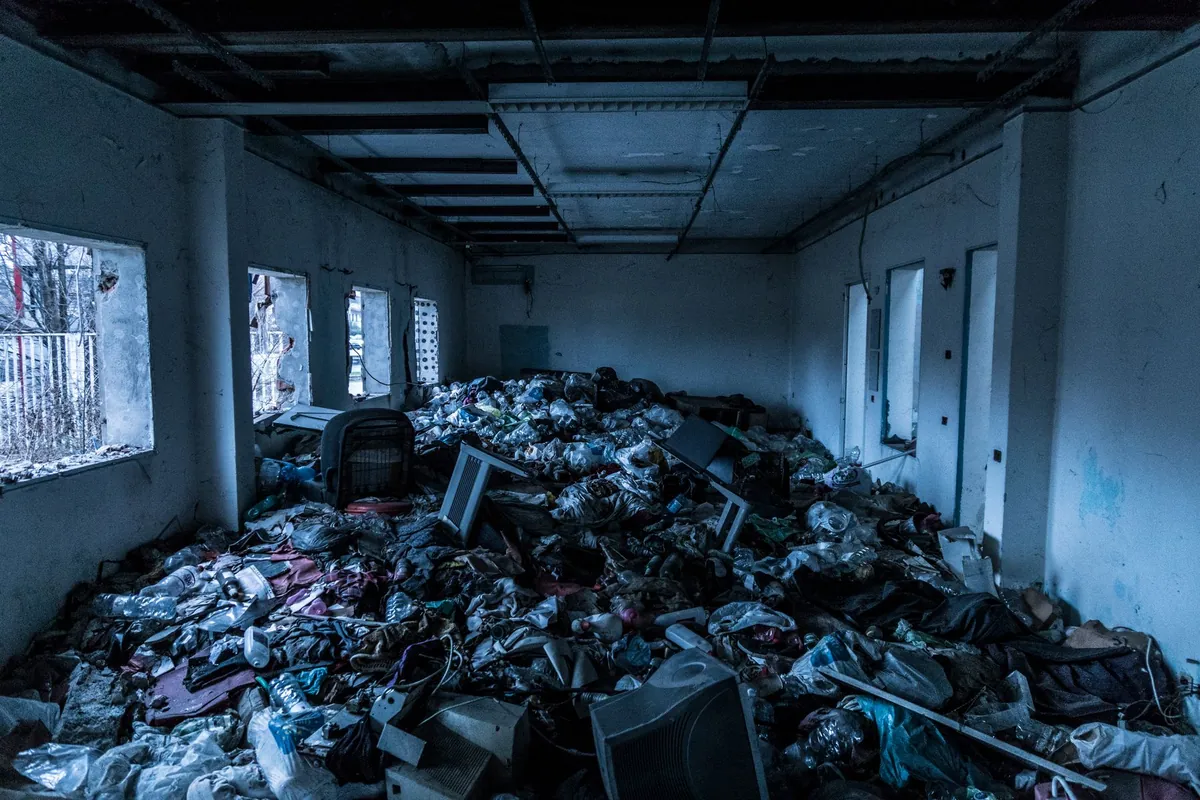
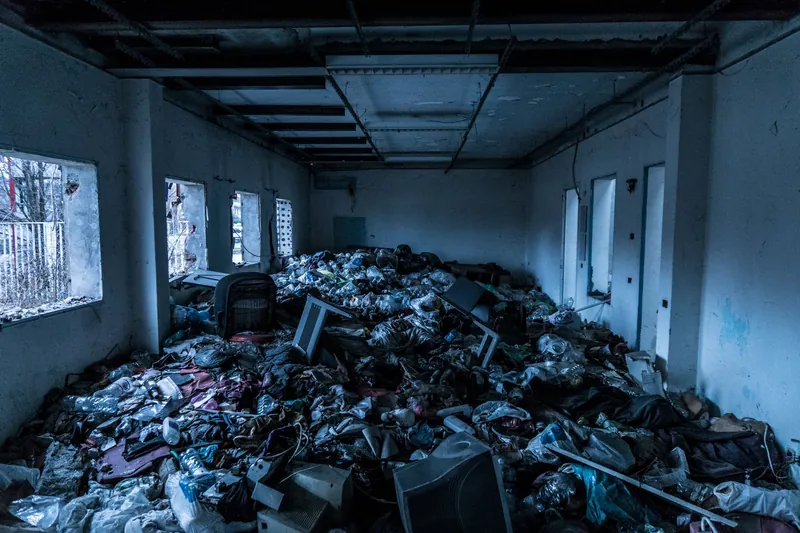
Animal hoarding cleanup clears accumulated urine and feces along with contaminated clutter and damaged absorbent materials. The remaining exposed surfaces then receive cleaning, disinfection and source-based odor treatment.
This work begins only after living animals have been removed or secured by the person or agency responsible for them. Cleanup workers do not decide animal ownership, veterinary care or legal custody. Their task is to make the affected area accessible, separate personal property from waste and address contamination left behind.
One room might require waste disposal while another needs hoarding cleaning, biohazard remediation or restoration work. Cleaning may be possible for hard, non-porous belongings. Urine or feces that has soaked through could require removal of carpeting, padding, cabinets, insulation, drywall or subfloor. What lies under the accumulated material determines the job's scope, not merely the conditions visible upon entry.
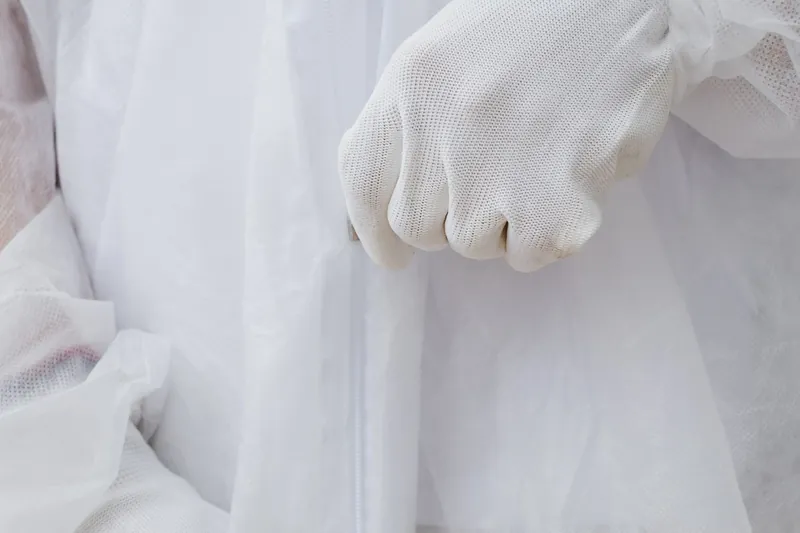
Protective equipment and work zones are matched to animal waste, sharps, unstable piles and contaminated materials so they are not carried into clean areas.
You continue taking part in every personal property choice. Papers of importance, photos, medicine and undecided items are sorted into a safe area prior to removal of approved contents.
Unmarked vehicles are used when crews arrive. Planning the work areas, bagging route and loading process can reduce unwanted attention near your property.
Separate sections for item decisions, removal, cleaning, disinfecting, odor control and later restoration make every step and related cost factor clear. This detail helps you decide whether the cleanup plan fits the property.
Animal hoarding clean up can be needed if ordinary methods cannot safely or completely address the waste and accumulation, or if facing the work is emotionally unmanageable. Common examples are:
Surface washing cannot eliminate the odor source after repeated urine exposure reaches carpets, cabinet areas, wall edges or the subfloor.
You need to understand every instruction from the housing office, animal control or other local authority prior to moving belongings or evidence.
An estate representative or family members may need help finding papers and keepsakes, then separating them from hazardous materials, waste and ruined furniture.
Documentation, removal and cleaning of affected contents can begin for the estate, owner or tenant after property access and personal property choices are settled.
First make sure the animals are safe, entry is permitted and the affected area has clear boundaries. To protect yourself, important possessions and every animal, follow these initial steps:
Call (888) 351-0904Published guides place one animal waste cleanup range at $500 to $8,000. A different guide lists $500 to $5,000. For biohazard handling inside a hoarded residence, costs start at $1,500 and can reach $5,000. These figures are for planning, not a quote. Scope for your property is determined by how much waste is present, how long it accumulated, which materials were affected, the odor work and waste disposal.
These national ranges are taken from published cost guides, rather than a property visit. You learn what your property will cost after the on-site assessment and before any work begins.
Ask about cost: (888) 351-0904Insurance may not pay for animal hoarding cleanup. Coverage depends on the applicable policy, the source of the damage, responsibility for the premises and which elements of cleanup the insurance company agrees to cover.
Check if the policy covers damage tied to a particular event and treats animal waste, slow damage, maintenance, removing contents and odor work as separate issues.
When requesting insurance assistance, ask about the cause of loss, needed documentation and photos, structural repairs versus waste removal and the deductible's effect. Save all receipts and the work scope.
The estate representative with authority needs to verify who may authorize the sorting, removal work and payment. Before the cleanup service removes affected contents, valuable documents and keepsakes need placement in a separate area.
Payment and arrangement responsibilities can change based on local rules, lease terms and evidence of the property condition. The renter and owner should resolve entry and authorization before anyone relocates personal property.
Each property is different, yet a safe sequence normally begins with clearing animals and assessing hazards. Sorting and removal come next, followed by cleaning and the closing walkthrough. The stages are:
Before anyone enters, the person in charge verifies safe placement for every living animal and confirms that the property is accessible. An on-site inspection maps waste, closed paths, odors, affected materials and official restrictions in every situation.
Separate boundaries divide clean areas and work zones. Cleanup technicians select protective gear for the conditions and plan how contaminated materials will leave without crossing protected belongings.
Papers, photographs, medication, keys and keepsakes go into a separate area for your decisions. You identify what to keep, consider later, donate or discard before removal begins.
When cleanup involves loose waste, litter, damaged cages, spoiled contents and approved clutter, those materials are collected in a controlled order. No heavy bag is dragged through an unaffected room.
Carpet, pad, drywall, insulation, cabinets and subfloor are checked after exposure. Waste rules guide possible removal when affected material cannot be cleaned completely.
Cleaning comes before disinfecting exposed solid surfaces. When disinfection is appropriate, an EPA-registered product stays wet for the full contact time stated on its label.
Urine, feces and damaged porous materials are removed first. Afterward, air scrubbers, HEPA vacuums and targeted methods can reduce the particles and smells left behind.
Clean rooms, retained items and removed contents are ready for your inspection. Any remaining pest work, structural repair, flooring replacement or other restoration services are identified separately.
You can call anytime. A specialist in animal hoarding cleanup takes your call, explains each step and agrees on a start time with you.
Animal waste that has accumulated in enclosed areas may expose you to microorganisms, ammonia irritation, airborne material and pests. It can also create unstable, unsafe surfaces for walking.
Urine odor at high concentration may cause irritation in the eyes and breathing passages. A persistent smell may point to affected porous materials out of view, where washing the exposed surface will not restore them.
Contact with animal feces may transfer microorganisms to nearby surfaces, footwear or your hands. A dry broom can send dust into the air. Serious health concerns may accompany major buildup, so collect the waste in a way that keeps contamination out of clean rooms.
Bags or bedding may conceal needles, shards of glass, broken cages and metal with sharp edges. Narrow paths and unstable piles add trip and falling-object risks during removal.
Can you clean it yourself? You may use gloves and an appropriate cleaner for a recent, limited pet accident on a sealed surface that is not porous. Follow an EPA-registered disinfectant label and its full contact time when disinfection is needed. Seek professional cleanup if waste affects an extensive space, penetrates porous material, includes sharp objects or clutter, or makes the air irritating.
An item's condition and level of contamination show whether it may remain. When a possession can be examined safely, you approve whether it is kept or removed.
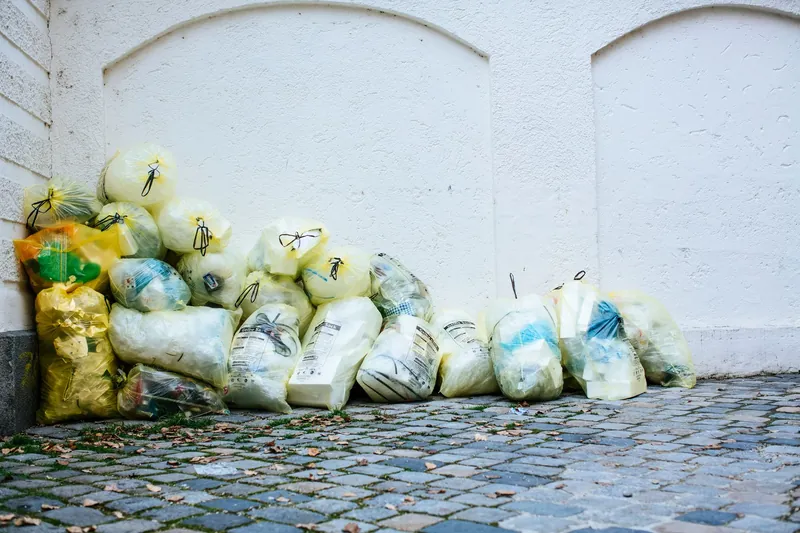
Animal hoarding clean up may last about a day in one contained area and several days across multiple rooms. Work involving an entire home can extend further because of obstructed access, decisions about belongings, contamination within building materials or repairs needed after cleaning.
| Scene | Typical time on site |
|---|---|
| One limited area with clear access | May take about one day |
| Multiple rooms that require sanitation and item decisions | May take several days |
| An entire home needing repairs and material removal | Timing is set after assessment |
Odor work starts by locating and removing each source. Animal feces, used litter and urine-damaged carpet, padding, cabinets, drywall or subfloor can continue to smell. Fragrance may hide that smell briefly, but the contaminated material remains and the area is still not clean.
Once odor sources are gone, hard surfaces can be cleaned and, when appropriate, disinfected. During professional work, air scrubbers and HEPA vacuuming may lower airborne particles. Odor lingering beside walls, within floor joints, around cabinets or near vents can indicate hidden contamination that needs inspection. If ozone is part of treatment, the space must be vacant and controlled, with careful operation. No person or animal should remain during that treatment.
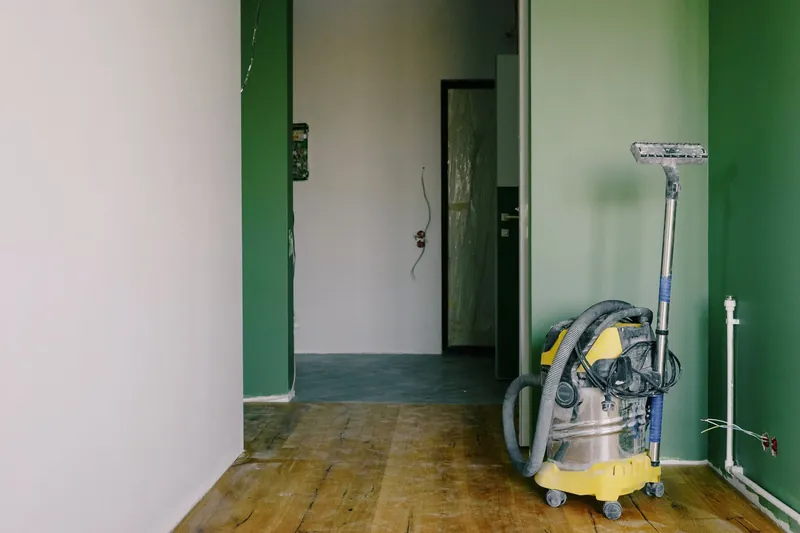
The full animal hoarding cleanup guide covers what is cleaned or removed, odor and air quality work, and the rules that apply in Louisiana and Orleans Parish.
Read the full animal hoarding cleanup guideContainment, entry and cleanup plans can be influenced by local housing, population and access details.
At roughly 2.1 miles away, University Medical Center New Orleans is the closest listed hospital for urgent care after a cut, puncture, or exposure.
With Faubourg Marigny, Saint Roch, and French Market close by, accurate street and unit details help avoid confusion during a sensitive response.
Properties within this New Orleans neighborhood may share alleys, entries, or parking, so equipment movement should be planned around nearby residents.
During your call, ask whether cleanup is available in surrounding communities and ZIP codes.
Hoarding cleanup combines respectful sorting, removal and deep cleaning.
See hoarding cleanup
Hoarder house cleanout clears a home room by room and includes hauling away trash.
See hoarder house cleanout
Cleanup removes filth and squalor from homes that are no longer safe to occupy.
See filth and squalor cleanup
Cleanup removes infectious material, including blood and body fluids, and disinfects the property.
See biohazard cleanup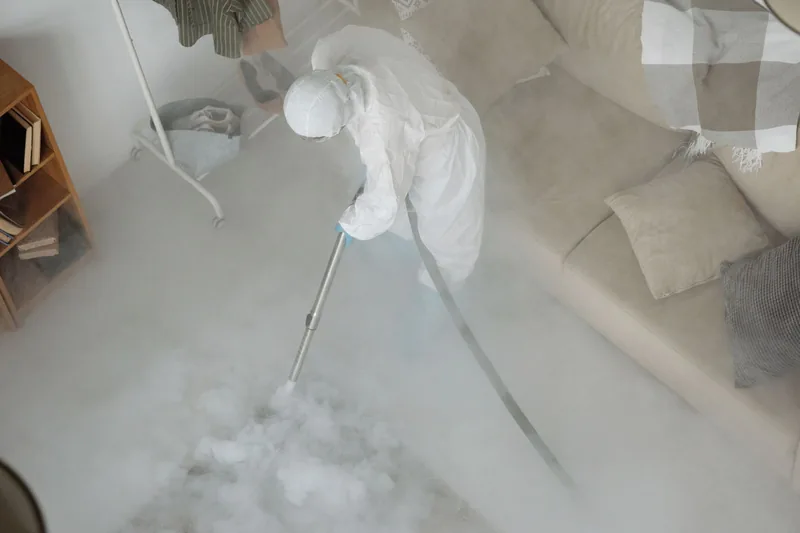
After exposure to infectious or hazardous material, the air, room and surfaces are fully decontaminated.
See biohazard decontamination
Human feces cleanup includes disinfection in homes, public restrooms and rental properties.
See human feces cleanup
At the source, death odor removal uses air scrubbers plus hydroxyl and ozone treatment.
See death odor removalIdentification, animal records, photographs, letters, medication, keys and valuables should be set aside for your decision. Cleaning may be possible for non-porous, sealed objects once their condition has been evaluated. After urine or feces soaks in, fabric, paper, unsealed wood and upholstered contents can be much harder to restore. The authorized decision maker must approve disposal of any belongings whose status is unclear.
Coverage depends on the policy and the cause of damage. Gradual animal damage, routine cleaning, contents removal and a separate covered event may be treated differently. Ask the insurance company about the loss cause, documentation needs, separate treatment of repairs and waste removal, and your deductible's effect on payment.
Often, but the source must be found first. Surface cleaning may not reach urine in carpet padding, subfloor, drywall or cabinets. Materials that cannot be cleaned may need removal. Removing the affected source comes first, followed by hard-surface cleaning and specific air quality treatment. Odor that returns usually means a hidden affected area still needs attention.
For animal waste cleanup, one guide lists $500 to $8,000, while a different published guide lists $500 to $5,000. Biohazard handling inside a hoarded home is listed at $1,500 to $5,000. The final scope is shaped by waste quantity, accumulation time, odor treatment, disposal rules, personal property sorting and affected walls and flooring.
Your first steps are confirming permission to enter and ensuring the safety of every living animal. Place important papers and keepsakes in an area away from cleanup. Take out animal waste and authorized clutter along routes that keep clean areas from becoming contaminated. Inspect absorbent floors, wall materials and cabinetry before cleaning hard exposed surfaces and applying disinfectant where appropriate. Treatment for smells begins once their sources are gone.
Animal feces can contain microorganisms and should be treated as contaminated material, especially when it has accumulated, dried into dust or mixed with urine, litter and pests. Prevent the material from touching your skin, footwear or clean areas. Never sweep dry material inside a severely affected area. When waste is abundant or has entered absorbent surfaces, it needs to be cleaned and removed under controlled conditions.
Discreet, respectful animal hoarding cleanup, 24 hours a day, with crews in unmarked vehicles.